When a property loss occurs, decisions around contents restoration are often made quickly—sometimes with long-term consequences that aren’t immediately obvious. One of the most common scope decisions is whether to perform content manipulation within the home or a content packout.
While both approaches are legitimate tools in contents restoration, they carry very different implications for cost, liability, documentation, and overall claim defensibility. Understanding these differences helps ensure the chosen method supports efficient restoration today without creating problems tomorrow.
Table of Contents
- What Is Content Manipulation?
- Time and Effort: Content Manipulation vs Content Packout
- Liability Exposure When Handling Contents
- Content Packout: A Different Approach to Contents Restoration
- Common Contents Restoration Myths
- Why Documentation Matters—Even During Content Manipulation
- Choosing the Right Approach
What Is Content Manipulation?
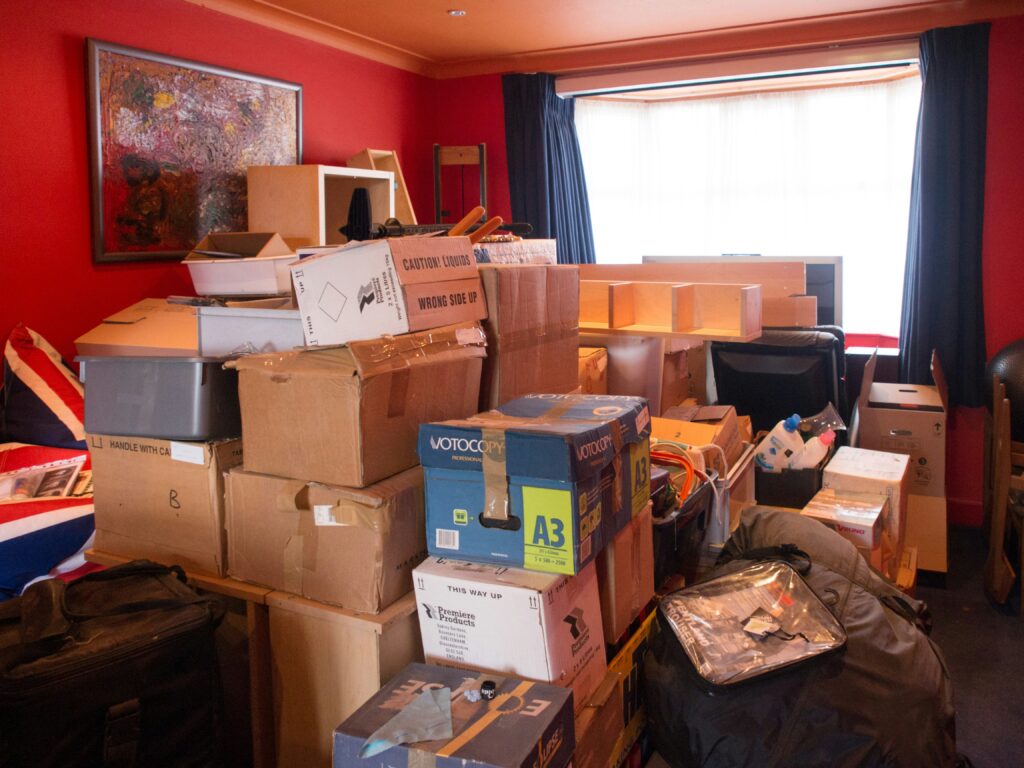
Content manipulation is a contents restoration method that involves moving personal property within the insured structure to allow mitigation, drying, cleaning, or reconstruction work to take place. Items are relocated from one room to another, consolidated into unaffected areas, elevated, or temporarily protected—but they do not leave the premises.
Rather than treating contents as a separate scope of work, content manipulation keeps them integrated into the overall restoration process. Furniture, boxes, and personal belongings may be shifted multiple times as work progresses, depending on which areas of the home are actively being addressed.
Common examples of content manipulation include:
- Moving furniture out of a wet room so drying equipment can be installed
- Consolidating contents into an unaffected bedroom or garage
- Shifting belongings to allow access for smoke cleaning, wall removal, or flooring replacement
- Elevating contents on blocks or pads during drying operations
Content manipulation is frequently selected because it appears less disruptive to the insured and faster to execute at the outset. There is typically no offsite storage, no formal chain of custody, and often no item-level inventory.
However, it is important to recognize that content manipulation still involves direct handling of personal property. Each move introduces the potential for damage, loss, or dispute, especially when contents are moved repeatedly over the life of a claim.
Because items remain onsite, content manipulation also places contents in an active work environment. Dust, moisture, demolition debris, and foot traffic can all increase exposure compared to controlled offsite storage.
In short, content manipulation is best understood as a temporary, access-driven solution within contents restoration and not a substitute for a content packout when damage scope, duration, or risk warrants a more controlled approach.
Time and Effort: Content Manipulation vs Content Packout
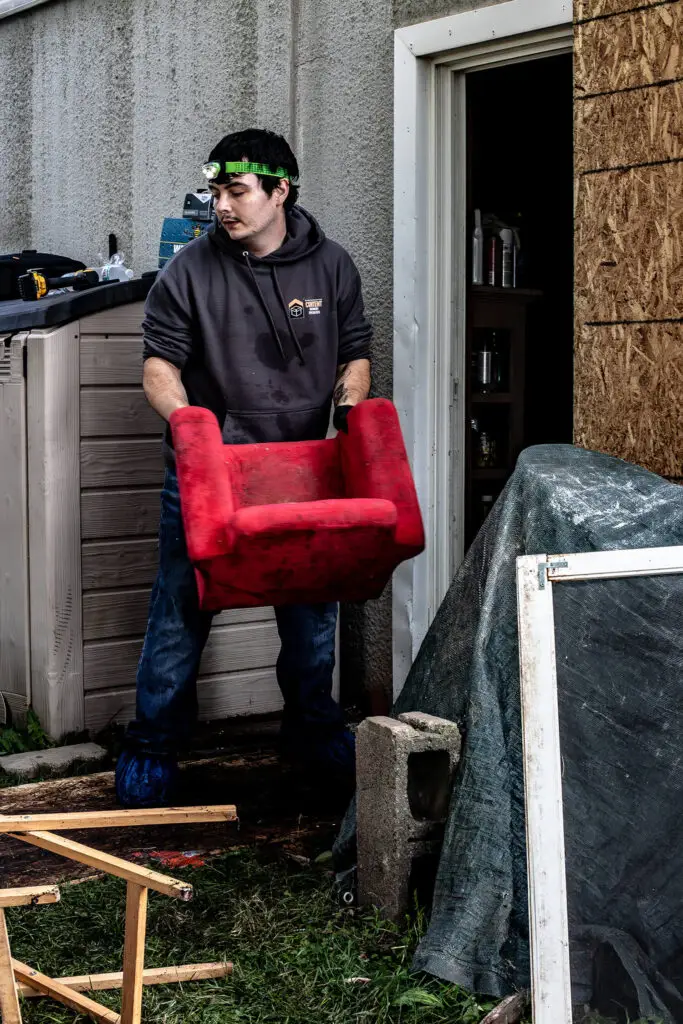
At first glance, content manipulation often appears to be the faster option. Because items remain in the home, there is no need for packing materials, transportation, or offsite coordination. In many losses, contents can be shifted room to room within a few hours, allowing mitigation or drying to begin almost immediately.
That early time savings, however, is usually limited to the front end of the job. As restoration work progresses, contents that were initially moved out of the way often need to be relocated again to accommodate drying adjustments, demolition, repairs, or reconstruction. Each additional phase of work can require another round of moving, stacking, or consolidating contents—adding labor hours incrementally rather than all at once.
Content packouts require more effort upfront. Inventorying, packing, loading, and transporting contents takes planning and coordination, and for an average home this process commonly spans one to three days depending on volume and scope. From a scheduling standpoint, that initial investment can feel significant.
When comparing time and effort, the distinction is less about how quickly work starts and more about how smoothly it continues. Content manipulation may save hours early but introduce repeated handling and delays later. A content packout concentrates the effort at the start, often reducing inefficiencies, stop-and-start work, and extended job timelines across the life of the claim.
Liability Exposure When Handling Contents
“Furniture that is moved three or four times over the course of mitigation and reconstruction has three or four chances for incidental damage. Small items can be misplaced during room-to-room shifts, and pre-existing damage is easily questioned when documentation is limited.
Over time, what began as a convenience-driven decision can turn into a lingering exposure.”
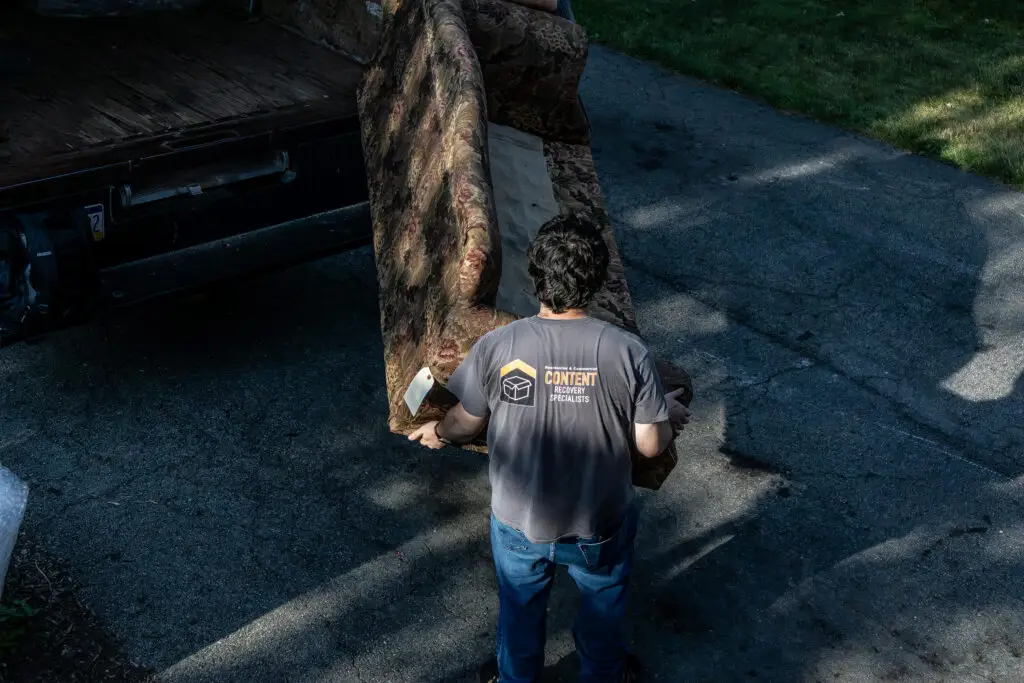
Liability exposure increases any time personal property is handled, but the level and persistence of that exposure can differ significantly between content manipulation and a content packout. With content manipulation, items often remain in active work areas and may be moved multiple times as the job progresses.
Because contents stay onsite during manipulation, responsibility can become difficult to define. Multiple trades may work around the same items, environmental conditions can change as drying or demolition occurs, and contents may be temporarily staged in areas not designed for storage. When damage is discovered later, it is often unclear when—or how—it occurred, making liability harder to defend.
Repeated handling compounds the risk. Furniture that is moved three or four times over the course of mitigation and reconstruction has three or four chances for incidental damage. Small items can be misplaced during room-to-room shifts, and pre-existing damage is easily questioned when documentation is limited. Over time, what began as a convenience-driven decision can turn into a lingering exposure.
From a liability standpoint, the key distinction is not whether contents are moved, but how often and under what conditions. Content manipulation keeps contents in a fluid environment where exposure accumulates gradually. A content packout contains that exposure within a defined scope, making liability easier to manage and defend over the life of the claim.
Content Packout: A Different Approach to Contents Restoration
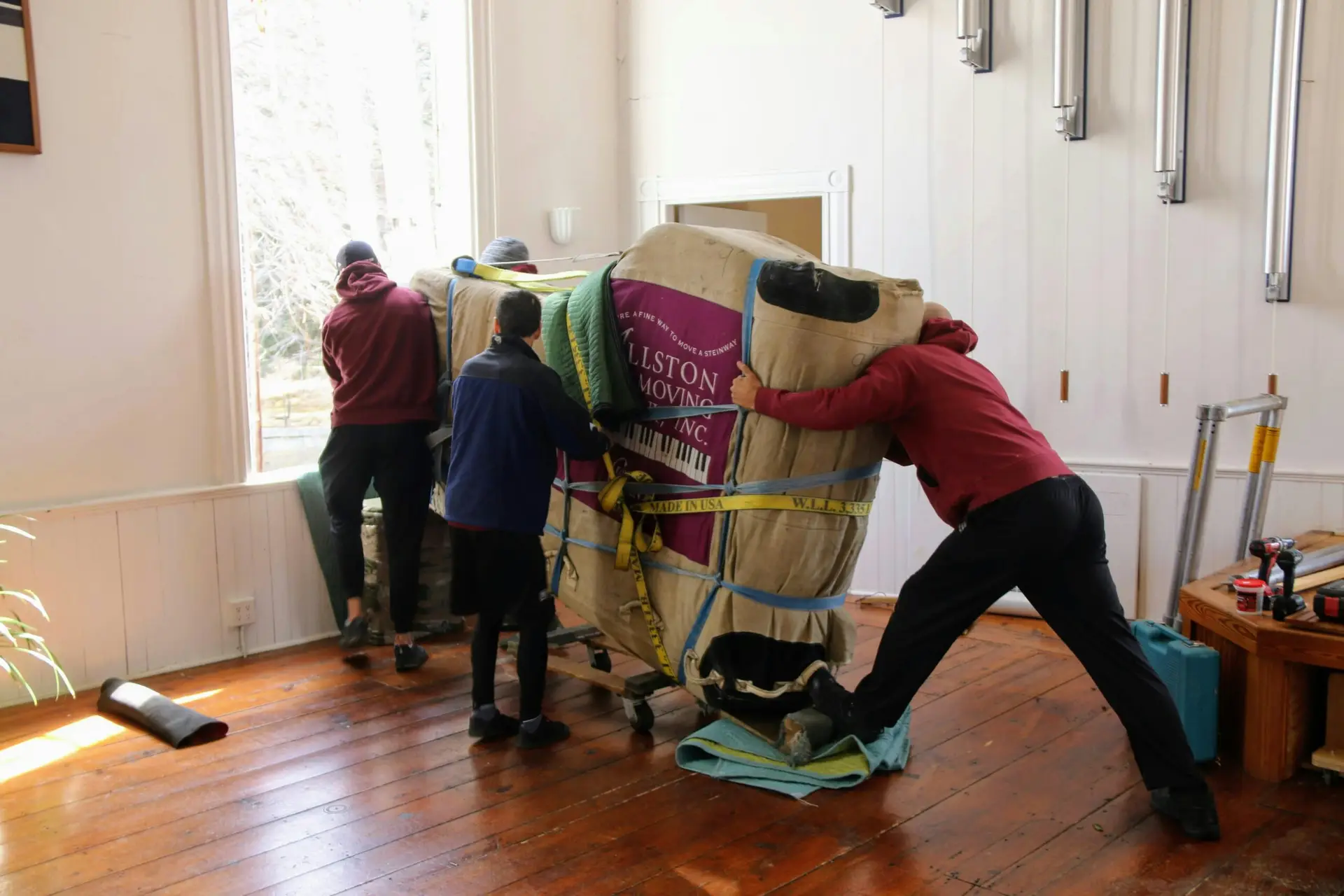
A content packout involves removing contents from the property entirely. Items are inventoried, packed, transported, cleaned, and stored—often at a dedicated contents facility with climate-controlled storage units, —until the structure is ready for return.
Packouts are typically selected when:
- Damage is widespread or affects multiple rooms
- Extended drying, demolition, or reconstruction is required
- Detailed documentation and chain of custody are critical
While a content packout may seem more involved upfront, it fundamentally changes how risk, responsibility, and efficiency are managed throughout the claim.
Common Contents Restoration Myths
Myth #1: Content Manipulation Is Always Cheaper
While manipulation may reduce upfront labor, secondary costs often emerge later through delays, re-handling, or disputed damage. Total claim cost—not just initial scope—matters.
Myth #2: Keeping Contents Onsite Reduces Risk
In reality, leaving contents in the work environment often increases exposure to dust, moisture, and incidental damage during restoration activities.
Myth #3: Detailed Documentation Only Matters for Packouts
Documentation protects all parties. Even during content manipulation, lack of photos or inventories can create liability issues long after the job is complete.
Why Documentation Matters—Even During Content Manipulation

One of the biggest risks in content manipulation is insufficient documentation.
Without clear photos or records, any pre-existing damage to contents can be harder to prove difficult to prove. Missing-item disputes become harder to resolve and (typically) responsibility can default to whoever last handled the contents.
Photographing rooms before work begins and capturing contents as they are moved room to room helps establish condition and reasonable care, even when a full inventory is not performed.
Best practices for documenting content manipulation include:
- Wide-angle photos of each room prior to work
- Progress photos showing contents being relocated
- Close-ups of high-value, fragile, or easily disputed items
- Final photos once contents are consolidated or reset
This visual trail often becomes the only defense if questions arise later in the claim.
Choosing the Right Approach
Content manipulation and content packout are both valid tools in contents restoration—but they are not interchangeable. The right choice depends on damage extent, duration of work, and tolerance for risk.
When speed and convenience are prioritized without considering liability and documentation, content manipulation can unintentionally create exposure that outweighs its initial benefits.
How Content Recovery Specialists Support Better Outcomes
When a content packout is the right solution, partnering with Content Recovery Specialists (CRS) helps keep claims efficient, controlled, and defensible.
A professional Content Recovery Specialists packout:
- Establishes clear chain of custody for contents
- Provides detailed inventories and photo documentation
- Reduces handling disputes and liability exposure
- Allows restoration work to proceed without obstruction
- Helps control total claim cost by minimizing delays and supplements
By integrating specialized contents restoration early, packouts become a strategic tool—not an added burden—supporting smoother projects and cleaner claim resolution.