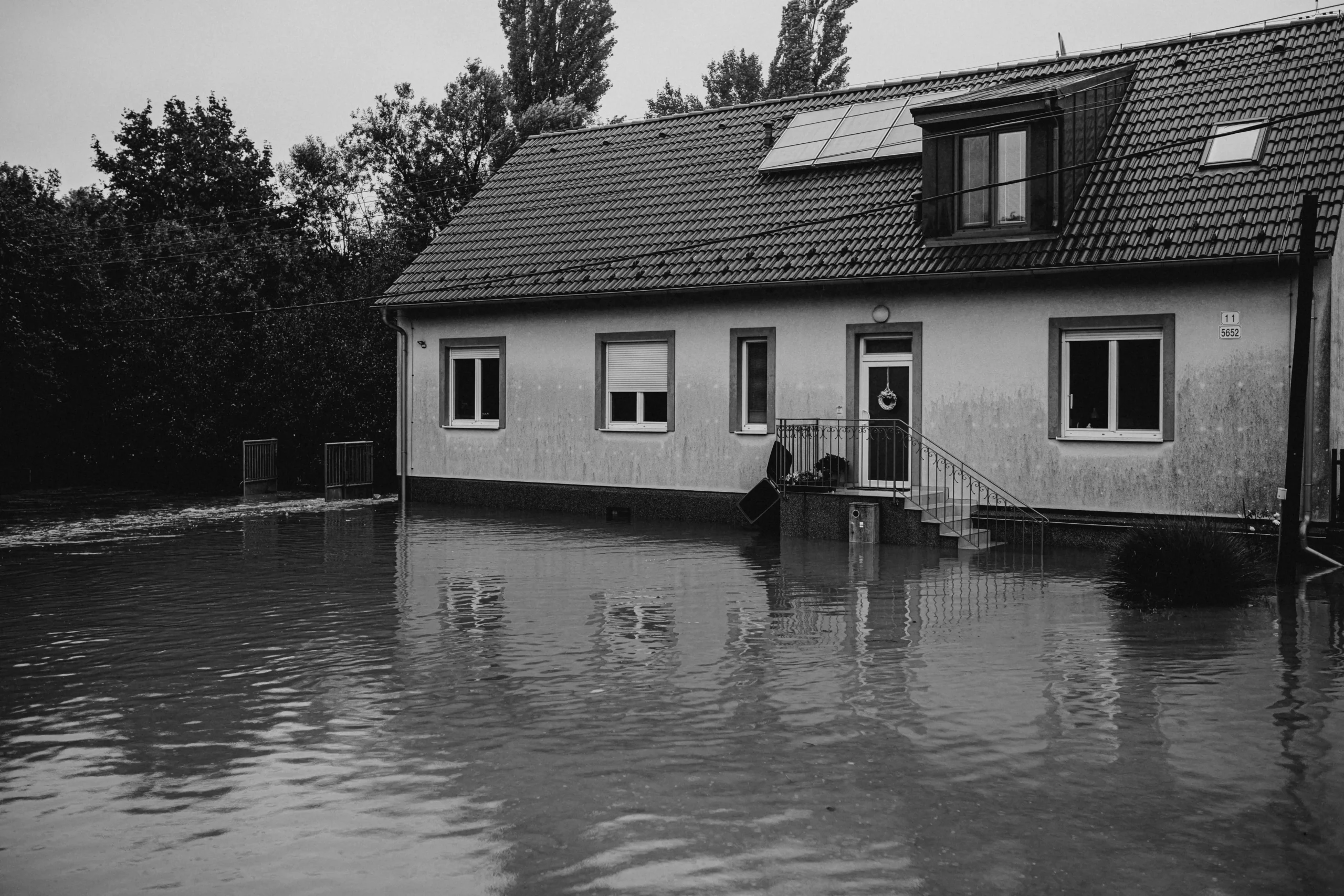
When a disaster strikes — a burst pipe, a house fire, a flood — there’s the damage you can see right away. That’s the primary damage. But what comes next can sometimes cost even more.
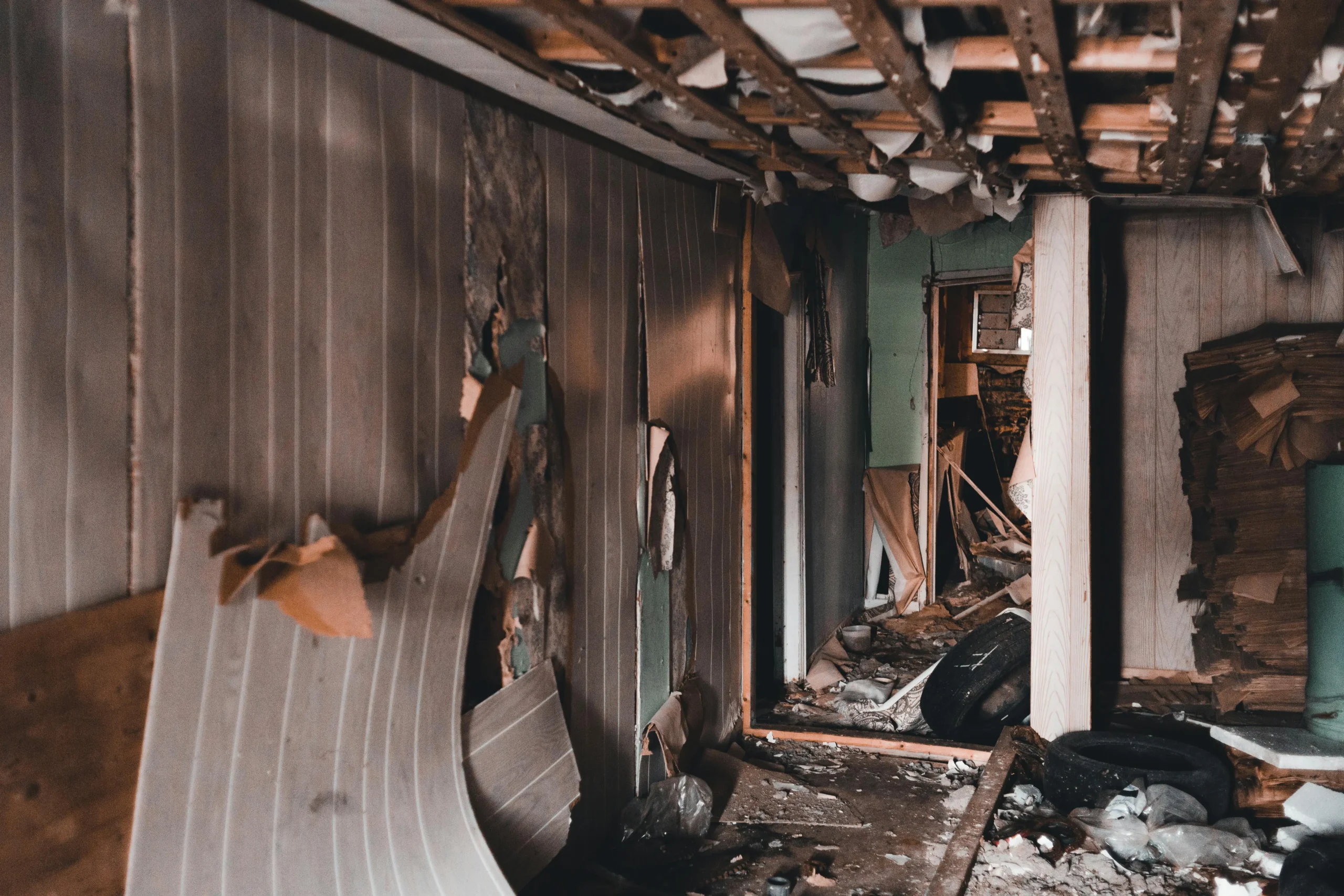
Secondary damage is the additional harm that occurs after the initial event, usually because of delayed response, improper handling, or both. It’s the microbial growth that grows in soaked drywall because no one dried it out in time. It’s the soot that permanently etches a wood surface because it sat too long before being cleaned. It’s the irreplaceable photo album that got crushed because a restoration crew packed boxes improperly before tearing out walls.
As industry experts define it, secondary damage refers to additional, often preventable damages caused by a slow or improper response to primary damage or loss. The word preventable is what matters most here. Secondary damage doesn’t have to happen — and with the right team and the right response time, it usually won’t.
What is Secondary Damage?
Secondary damage is the resulting harm that occurs when primary damage (the initial disaster) is not mitigated quickly or correctly. While primary damage is the immediate result of an event, secondary damage is a progressive process.
Secondary damage is the resulting harm that occurs when primary damage (the initial disaster) is not mitigated quickly or correctly. While primary damage is the immediate result of an event, secondary damage is a progressive process.
It can be caused by:
- Environmental Factors: High humidity leading to microbial growth or soot sitting on surfaces.
- Lack of Action: Waiting too long to start the drying or cleaning process.
- Lack of Careful Action: Using the wrong cleaning chemicals or improper handling of items.
How Secondary Damage Affects Your Insurance Claim
Home and property insurance policies typically cover the direct, sudden damage caused by a covered event — a fire, a storm, a water leak. But secondary damage gets complicated.
Most policies include a provision requiring the policyholder (or their restoration company) to take reasonable steps to mitigate further damage, called a “duty to mitigate” clause. If secondary damage occurs and an insurer determines it resulted from inaction or neglect from the home or property owner, that portion of the claim may be reduced or denied entirely.
Here’s the key issue: adjusters and third-party administrators review claims carefully. If microbial growth develops in your home two weeks after a water loss and no professional responded quickly, the insurer may argue that the mold was a preventable secondary loss — not a covered primary one. The same goes for contents. If a restoration company damaged your belongings during a packout, documenting that damage and attributing it correctly is critical to a fair claim outcome.
This is why fast, professional response isn’t just good for your home — it directly protects your insurance coverage.
Common Types of Secondary Damage
Water Damage and Microbial Growth
Water damage is probably the most common cause of secondary loss, and it moves fast. According to the EPA, microbial growth can begin to grow in as little as 24 to 48 hours when moisture lingers in a warm environment. Once it takes hold, it spreads through the air and into porous materials — drywall, wood framing, insulation, upholstered furniture — and what started as a contained water event can become a full microbial growth remediation job.
Beyond microbial growth, standing water causes wood to swell, warp, and eventually rot. Metal components — studs, pipes, vents, appliances — begin to corrode. Hardwood floors buckle. Sheetrock sags. Electrical outlets that were reached by water can create serious shock and fire hazards that aren’t immediately visible.
The longer water sits, the worse all of this becomes. According to Palm Build, the national average for microbial growth remediation costs around $2,300-$2,400. So the slower you react to disaster, the higher the cost of remediation especially if it escalated to the removal of walls or entire flooring.
Below is a timeline breakdown of what occurs when water lays stagnant without being taken care of.
| Time Elapsed | Manifestation of Secondary Damage | Structural Impact |
| 1-24 Hours | Surface saturation; moisture migration into drywall and subfloors. | Minimal structural change; items can often be dried in place. |
| 24-48 Hours | Initiation of microbial growth colonization; metal surfaces begin to tarnish; wood finishes swell. | Musty odors emerge; drywall loses structural integrity (sags or cracks). |
| 48-72 Hours | Growth becomes visible; wood begins to warp or “cup”; dyes from rugs transfer to flooring. | Microbial growth enters wall cavities; category of water likely degrades (e.g., Cat 1 to Cat 2). |
| 72+ Hours | Extensive microbial growth; structural wood rot; disintegration of composite materials. | Total loss of porous materials likely; structural integrity compromised; hazardous bio-aerosols present. |
Fire and Smoke: Etching and Corrosion
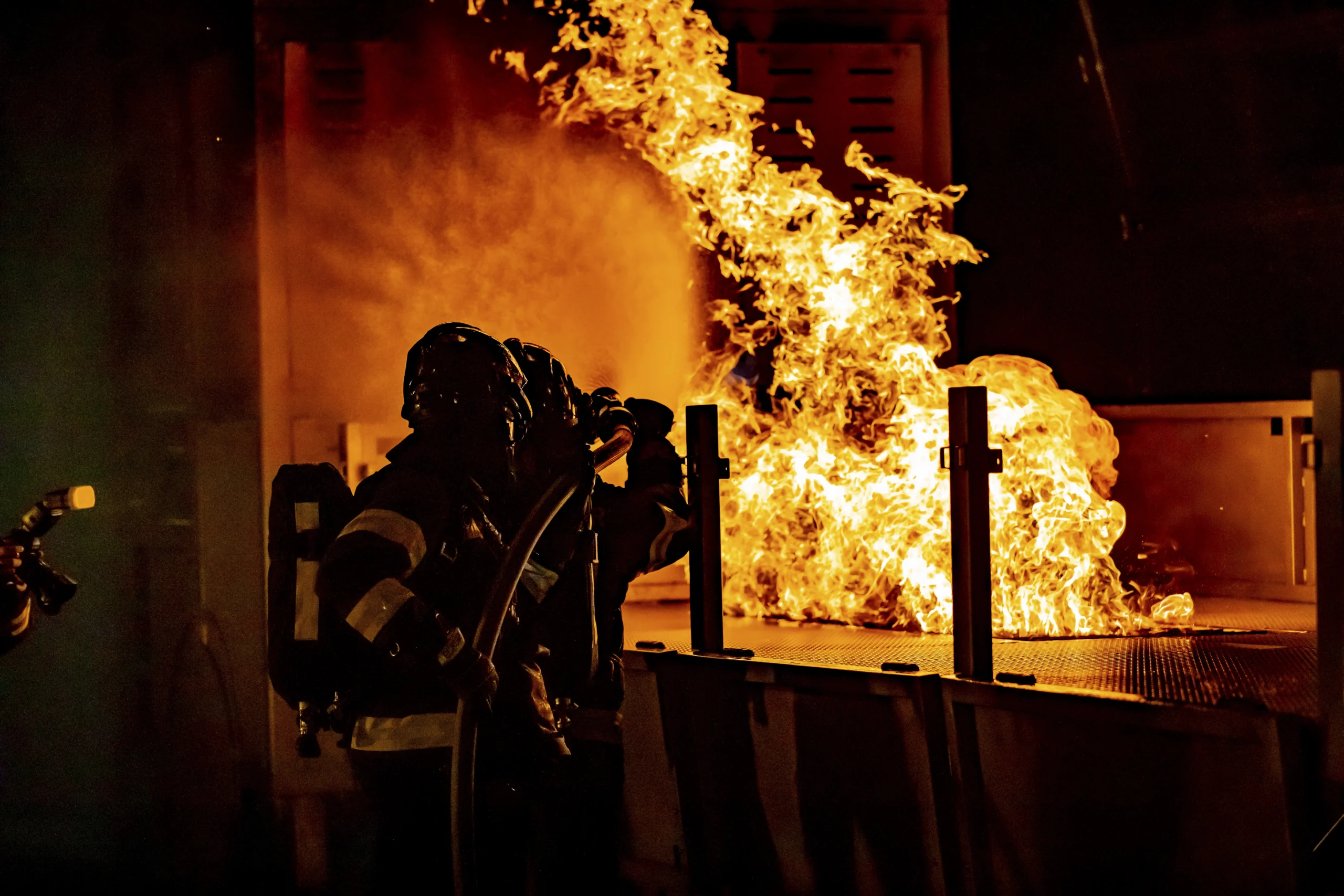
With fire, the primary flames are only part of the story. Once the fire is out, secondary damage starts quietly.
Soot is acidic. If it’s allowed to sit on surfaces — furniture, electronics, appliances, — it begins to etch and corrode them. Items that might have been cleanable in the first 24 to 48 hours can become permanent total losses within days. Electronics are especially vulnerable; residual soot particles get into vents and components and cause corrosion that shows up weeks later.
Smoke and its toxins, gases, and fine particles become airborne during a fire and then settle onto walls, ceilings, and every soft surface in the home. Over time, these particles cause discoloration, material deterioration, and lingering odors that are difficult — and expensive — to fully remove. Visible soot is only part of the problem; the microscopic particles that don’t show up right away are often harder to remediate.
Then there’s the water. Firefighting efforts leave behind significant moisture, which means every fire loss also carries the secondary risks of a water loss. You’re dealing with both at once.
Documentation is the primary defense against claim denial. Restoration professionals assist this process by using moisture meters, thermal imaging, and hygrometers to document the exact state of the property upon arrival, providing a scientific baseline for the insurance claim.
The Problem Nobody Talks About
This one surprises a lot of homeowners — but it’s a real issue in the industry.
When a structural restoration company rushes into a job and begins demolition without first properly packing out and protecting the contents, they can cause significant secondary damage to your belongings. Furniture can get scratched or crushed under debris. Items that survived the fire or flood can be broken, soaked, or contaminated during a rushed packout. Documents and photos get mixed together or lost. Electronics get stacked improperly and damaged.
This kind of damage doesn’t come from the disaster. It comes from the response to the disaster — and it’s entirely avoidable when a dedicated contents specialist is involved from the start. A good contents team works alongside the structural crew, ensuring belongings are inventoried, packed properly, and removed from the work zone before demolition begins.
If this doesn’t happen, the result is more claim disputes, more lost property, and more stress for the homeowner.
How Content Recovery Specialists Prevents Secondary Damage
At Content Recovery Specialists, preventing secondary damage isn’t a talking point — it’s built into our process from the moment we’re contacted.
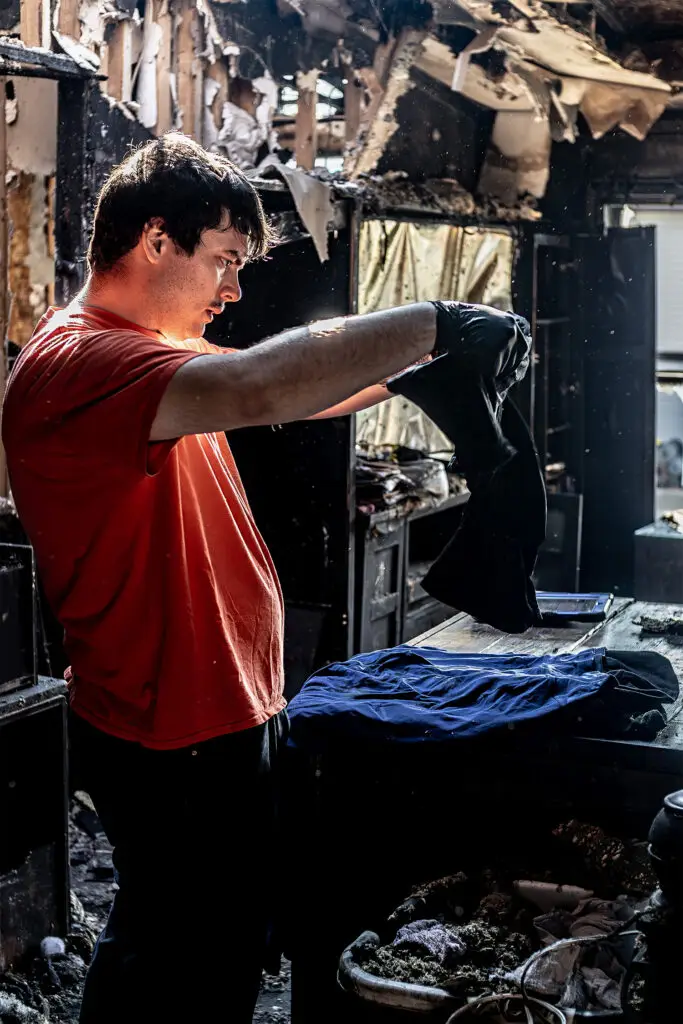
We respond fast, on purpose. Our standard is to meet with the homeowner within 12 hours of initial contact to get the work authorization signed, and then have the job started within 24 hours of that authorization. That window matters. Every hour that passes after a water or fire loss increases the risk of microbial growth, soot etching, and material deterioration. Getting on-site quickly is one of the most important things we can do.
For water losses, we bring wet contents into our drying chamber. Wet items that stay wet become a liability. Our drying chambers create a controlled environment that stops microbial growth before it starts. This protects the contents — and it protects the insured’s claim by eliminating the “you didn’t act fast enough” argument.
For fire losses, we prioritize immediate cleaning and packing of affected contents. Soot and smoke residue begin causing irreversible damage quickly. Standard total losses for fire jobs include anything that goes in or on your body, plastics, and items too porous to fully decontaminate — but many other belongings can be saved if they’re addressed promptly. We assess, pack, and clean before that window closes.
We treat your personal property as a priority, not an afterthought. Before any structural work begins on-site, we focus on getting contents inventoried, properly packed, and moved to safety in our warehouse. That means there’s no chance of a structural crew accidentally destroying belongings that could have been saved.
Protecting the insured’s personal property is our top priority — and our process is designed around that commitment from start to finish.
Homeowner-Led Prevention Strategies After a Disaster
While professional intervention is necessary for major losses, property owners can take immediate steps to mitigate secondary damage, provided the environment is safe to enter.
Immediate Action Checklist
To get our full checklist, you can download our free guide on the immediate actions you should take after a disaster to prevent secondary damage.
| Action Step | Professional Rationale | Safety Consideration |
| Shut Off Utilities | Prevents fire from electrical shorts and further flooding from plumbing bursts. | Do not touch panels if standing in water. |
| Secure the Structure | Boarding windows and tarping roofs prevents rain and vandals from entering. | Leave roof work to professionals after a major storm. |
| Document the Loss | Photos and videos serve as the primary evidence for the insurance claim. | Document items before moving them. |
| Ventilate the Space | If the outside humidity is lower than inside, opening windows can begin the drying process. | Avoid if outside air is contaminated (e.g., nearby wildfires). |
| Lift Furniture | Place foil or plastic under furniture legs to prevent wood stains from wicking into carpets. | Avoid heavy lifting without assistance. |
Conclusion
Secondary damage is one of those threats that doesn’t announce itself — it just quietly gets worse while everyone is focused on the obvious. Soot starts etching surfaces within hours. Moisture finds its way into wall cavities and sits there. And before long, what was a manageable loss becomes something much larger and more expensive.
The good news is that it’s largely preventable. For homeowners, that means acting quickly, documenting everything, and making sure your restoration team is moving with the same urgency you are. For restoration professionals, it means following proven standards, protecting contents before demolition begins, and using the right tools — like drying chambers — to eliminate the conditions secondary damage needs to thrive.
When everyone involved understands that the aftermath of a disaster can be just as destructive as the disaster itself, and that a lot of that damage comes down to human decisions rather than forces of nature, recovery becomes a more coordinated and successful process for everyone.
FAQ
What is the difference between primary and secondary damage?
Primary damage is the direct result of a disaster, such as fire charring or floodwater. Secondary damage is the subsequent deterioration that happens later, such as mold growing on wet drywall or soot corroding metal fixtures.
Will my insurance company deny my claim if I don’t mitigate the damage?
Potentially. Most policies include a “duty to mitigate” clause. If the insurance company can prove that you failed to take reasonable steps (like tarping a roof) and that failure caused additional damage, they may refuse to pay for the secondary portion of the loss.
How quickly does secondary damage start?
Very quickly. Soot can start discoloring surfaces within minutes, and etching glass within hours. Microbial growth typically begins to colonize within 24 to 48 hours in damp conditions.
What’s the difference between smoke damage and soot damage?
Smoke damage refers to the broader impact of toxins, gases, and fine particles that travel through the air and settle on surfaces throughout a home — sometimes far from the fire itself. Soot is the visible, oily residue left directly on surfaces near the fire. Soot is acidic and begins etching and corroding materials quickly, while smoke damage can linger invisibly in soft goods, HVAC systems, and wall cavities long after the fire is out.
How do I know if my restoration or content packout company is handling my contents properly?
Ask upfront. A reputable contents restoration company will walk you through their packout process, provide a written inventory of every item removed from your home, use proper packing materials, and store your belongings in a secure, climate-controlled facility. If a company can’t clearly explain how they protect contents during demolition, that’s a red flag.