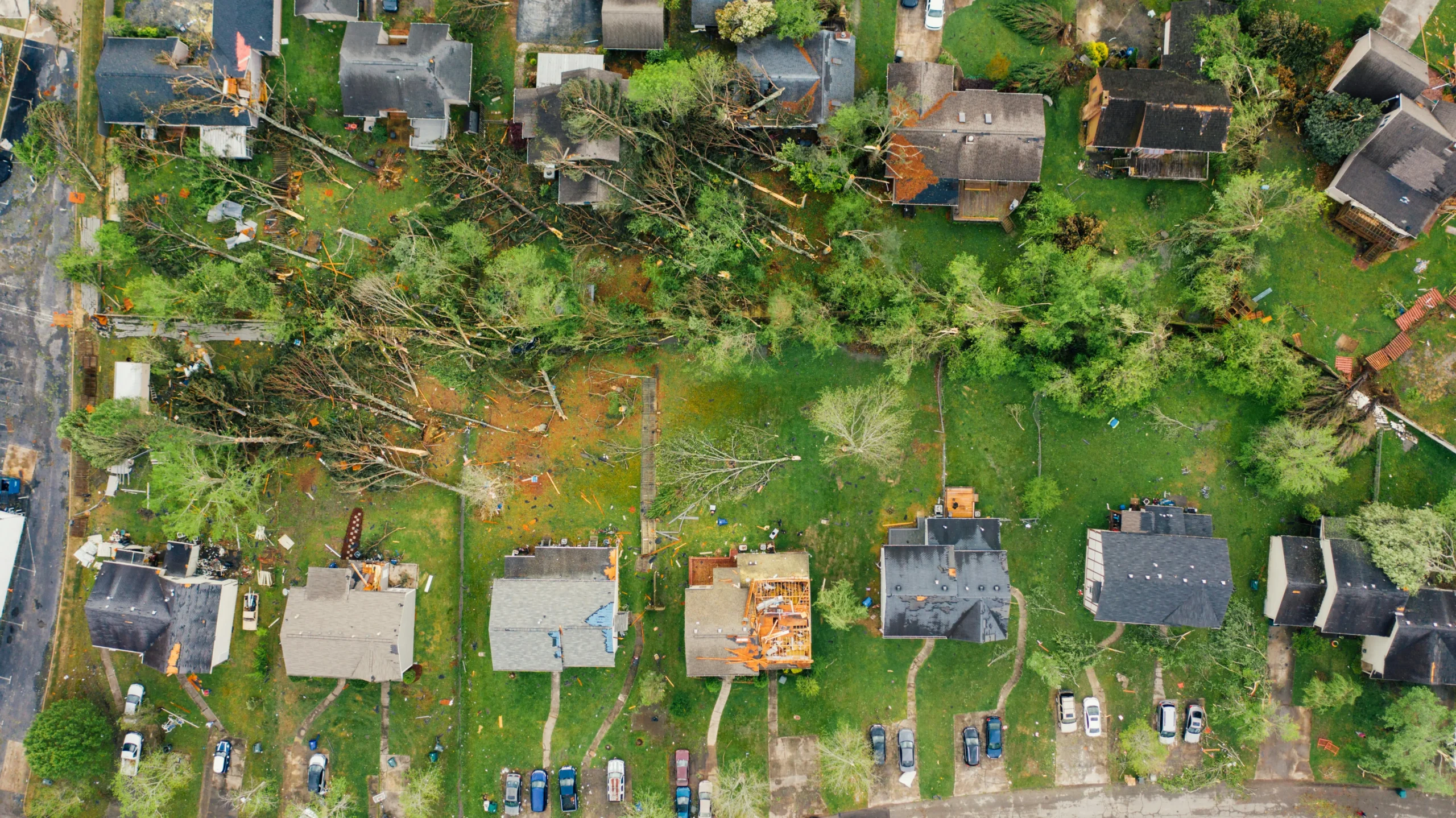
When a disaster strikes, whether it’s a burst pipe, a kitchen fire, or a localized storm, the structural damage to your house is usually the first thing on your mind. However, once the dust settles, you begin to look at the items inside. Your furniture, electronics, clothing, and family photos are the things that actually make your house a home.
In the world of insurance, these items fall under Personal Property Coverage, also known as Coverage C. Understanding how this works is essential to ensuring you aren’t left footing a massive bill to replace your life’s belongings after a loss.
What is Personal Property Coverage?
Personal property coverage is a standard component of most homeowners, renters, and condo insurance policies. It helps pay to repair or replace your personal belongings if they are damaged, destroyed, or stolen due to a “covered peril.”
Covered perils typically include:
- Fire and lightning
- Smoke damage
- Windstorms and hail
- Theft and vandalism
- Water damage (from internal sources like a plumbing overflow)
It is important to note that personal property coverage doesn’t just apply to items inside your home. Most policies provide “off-premises” coverage, meaning your laptop is often protected even if it is stolen from your car or a hotel room while you’re traveling.
Actual Cash Value vs. Replacement Cost
One of the most critical decisions you will make when selecting how much personal policy coverage you need depends on how your items are valued. This choice significantly impacts your payout after a disaster.
- Actual Cash Value (ACV): This covers the cost of the item at its current value, accounting for depreciation. For example, if your five-year-old television is destroyed, ACV will pay you what that used TV is worth today—which might only be a fraction of what you originally paid.
- Replacement Cost Value (RCV): This covers the cost to buy the item new today, regardless of its age. While RCV policies usually have slightly higher premiums, they offer much better protection for homeowners who want to fully restore their lifestyle after a loss.
According to the Insurance Information Institute, the average severity of a homeowners insurance claim for fire and lightning damage—which often involves significant personal property loss—reached $88,170 in recent years (Insurance Information Institute, 2024). Without RCV, a substantial portion of that cost could remain out-of-pocket for the homeowner.
The Importance of Policy Limits and Sub-Limits
Standard personal property coverages usually set limits at 50% to 70% of the amount of insurance you have on the structure of your home. If your home is insured for $300,000, you might have $150,000 to $210,000 in contents coverage.
However, be aware of sub-limits. Insurance companies often cap the payout for “high-value” categories. Common sub-limits include:
- Jewelry and Watches: Often capped at $1,500 total.
- Electronics: May have specific limits for home office equipment.
- Collectibles: Art, stamps, or rare coins often require additional coverage.
If you own items that exceed these limits, you may need a “scheduled personal property” endorsement—often called a floater—to ensure they are fully insured.
How to Prepare Before a Loss Occurs
The best time to understand your personal property coverage is before you need it. We recommend every homeowner perform a Home Inventory at least once a year.
- Photo/Video Walkthrough: Use your phone to record every room, opening drawers and closets.
- Save Receipts: Keep digital copies of receipts for major purchases (appliances, electronics, furniture).
- Use an App: There are several free inventory apps that allow you to store photos and serial numbers in the cloud.
Having a detailed inventory makes the claims process significantly smoother and ensures you receive the maximum reimbursement allowed by your policy. You can read our full guide on What to Do After a Disaster Damages Your House.
FAQ
How do I know if my items should be restored or replaced?
This is one of the most common dilemmas after a loss. Generally, if the cost to professionally clean and restore an item is less than its Actual Cash Value or Replacement Cost, insurance carriers prefer restoration. At CRS, we perform a “restore vs. replace” analysis during the initial packout. We prioritize sentimental heirlooms and high-value pieces that are difficult to find again, using specialized cleaning technology to remove odors and contaminants that standard cleaning cannot touch.
Does personal property coverage include my car?
No. Vehicles are covered under your auto insurance policy, even if they are parked in your garage at the time of the loss.
Does my policy cover the cost of moving and storing my items during repairs?
Yes, in most cases. If a covered peril makes your home uninhabitable or puts your contents at risk, your policy’s Coverage C or Additional Living Expenses (ALE) typically covers the cost of professional packout, transportation, and secure storage. Utilizing a professional service like CRS ensures that these costs are documented correctly for your adjuster, ensuring your belongings are protected in a climate-controlled environment while your home is being rebuilt.
Is flood damage covered in my personal property coverage?
Standard homeowners insurance almost never covers flood damage. You must purchase a separate flood insurance policy through the NFIP or a private insurer to protect your contents from rising ground water.
What happens to items that are deemed a “Total Loss”?
If an item is damaged beyond repair—such as electronics with fried circuitry or furniture with deep structural charring—it is declared a total loss. In this scenario, we help you create a Non-Salvageable Inventory List. This detailed report includes descriptions, ages, and conditions of the items, which you then submit to your insurance company to receive a reimbursement check based on your policy’s ACV or RCV guidelines.
ou restore Can electronics and appliances affected by smoke or water be restored?
Many homeowners are surprised to learn that electronics can often be saved if treated quickly. Smoke soot is acidic and can corrode internal components, while moisture leads to short circuits. Our technicians use specialized air-scrubbing and ultrasonic cleaning methods to remove fine particulates from inside computers, televisions, and kitchen appliances. Getting these items to a restoration facility immediately is the key to preventing permanent failure.
Recovering Your Contents with CRS
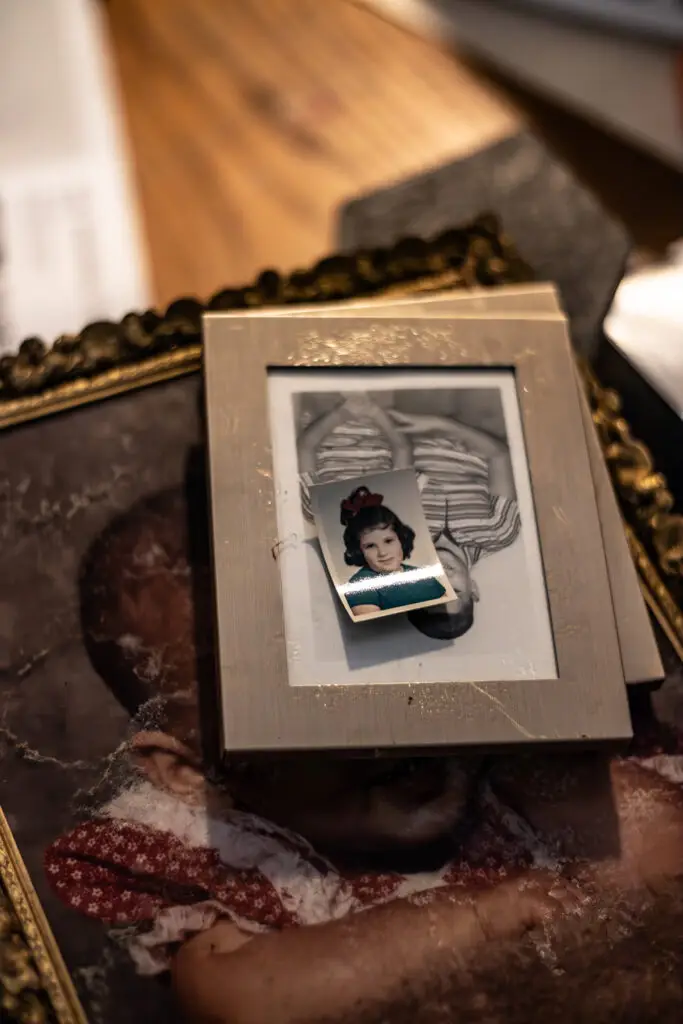
Understanding your personal property coverage is the first step, but what happens when the disaster actually occurs? Dealing with smoke-damaged upholstery, water-logged documents, or soot-covered electronics is overwhelming. You don’t have to navigate this alone.
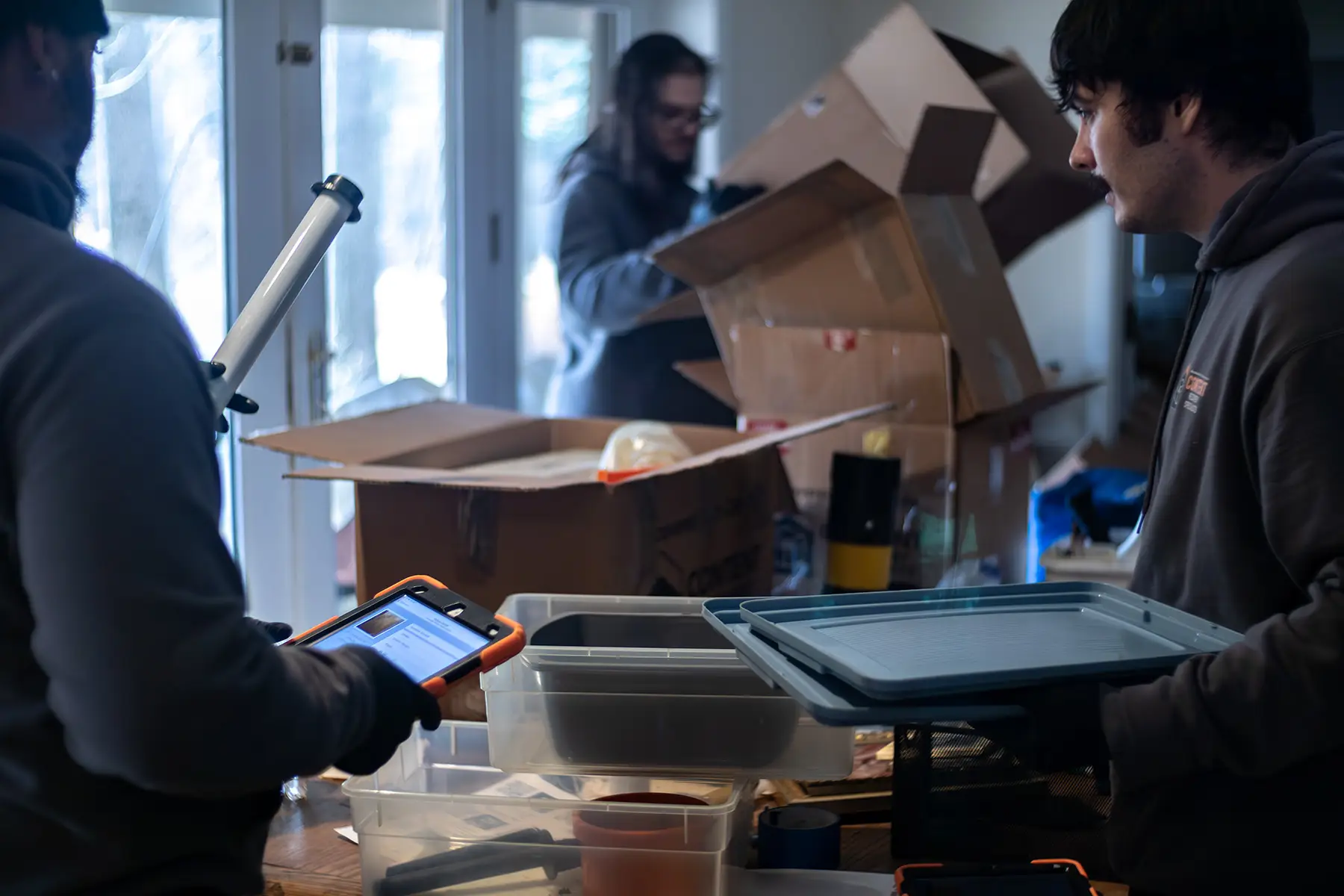
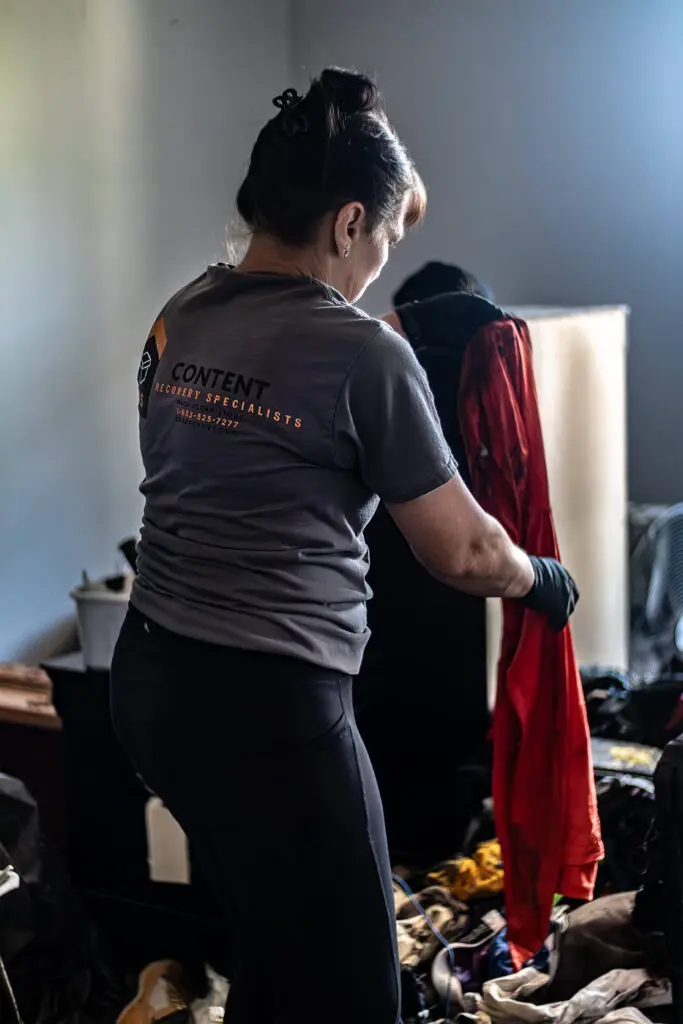
At Content Recovery Specialists (CRS), we specialize in what happens after the disaster happens. We are experts in contents packout and restoration. Instead of assuming your belongings are a total loss, our team carefully inventories, packouts, cleans, and stores your items to our climate-controlled facility.
Using advanced cleaning technologies, we work to restore your furniture, clothing, and electronics to their pre-loss condition. Our goal is to save the items that hold sentimental and financial value, helping you return to normalcy faster.
If you have recently fallen victim to a disaster, don’t wait. Call CRS today. We specialize in packing out and restoring your contents so you can focus on moving forward.