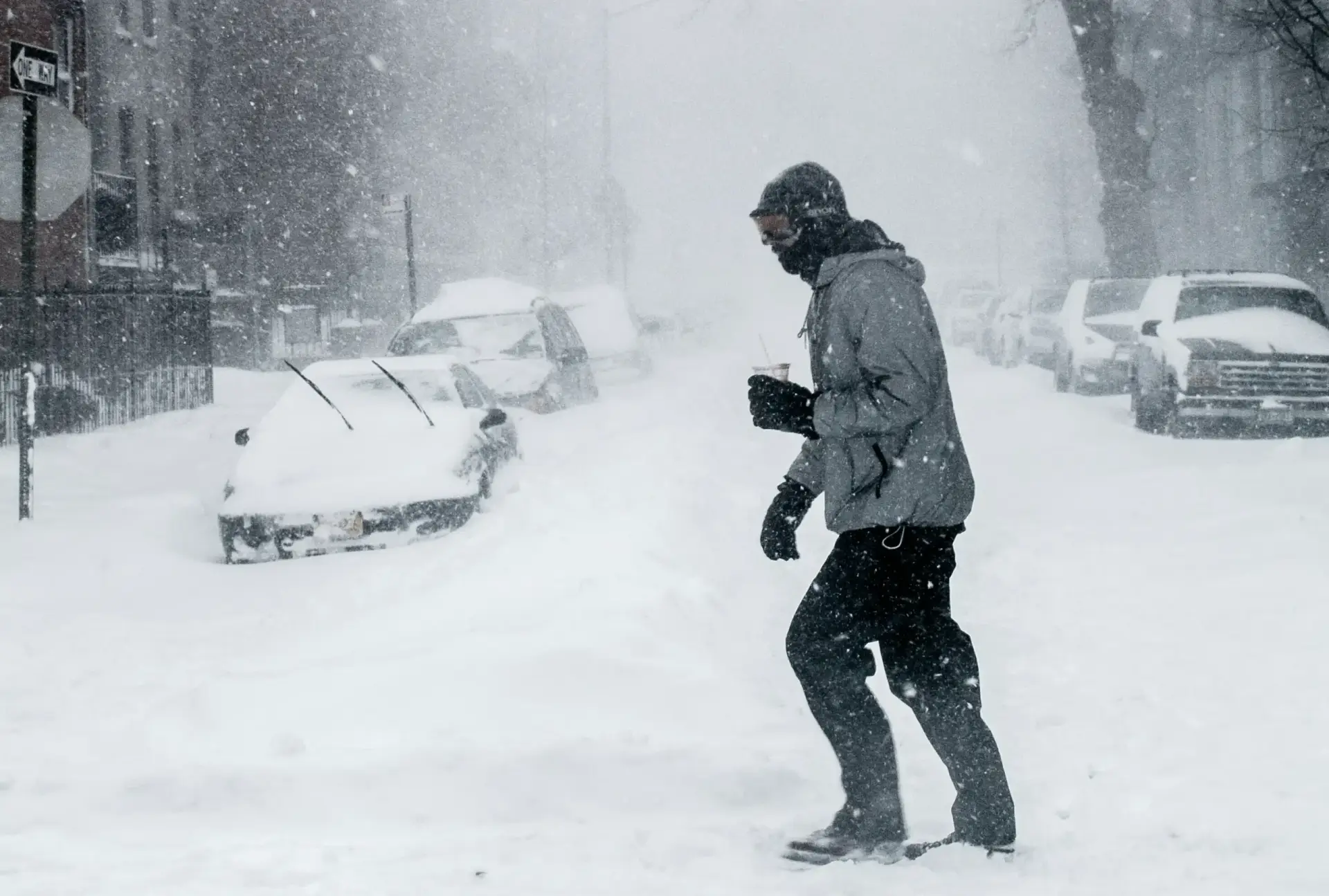
The property insurance and disaster recovery landscape in early 2026 is defined by a strategic shift toward claims efficiency and long-term resilience. The arrival of Winter Storm Fern in late January 2026 provided a definitive stress test for the national insurance infrastructure, with AccuWeather estimating total damage and economic losses between $105 billion and $115 billion.
Impacting over 200 million people across more than 24 states, this event has highlighted the critical role of insurance adjusters, restoration contractors, and specialized content recovery companies in stabilizing the claims ecosystem. As home insurance premiums stabilize at record-high levels, influenced by construction costs and reinsurance volatility, industry leaders are moving toward a “restoration-first” methodology to mitigate loss and provide value to policyholders.
The Economic Scale of Winter Storm Fern

Winter Storm Fern stands as one of the most significant weather events in recent U.S. history, with financial impacts comparable to the major wildfires of early 2025. The estimated $105–$115 billion in total economic loss accounts for a broad spectrum of disruptions that extend well beyond direct property damage. These include interruptions to commerce, supply chain logistics, and infrastructure repair costs. The storm’s primary characteristic was its massive geographic reach, disrupting energy systems and transportation networks across nearly two dozen states.
Multi-State Impact and Coordinated Response
The footprint of Winter Storm Fern stretched over 2,000 miles, from the Southwest through the Ohio Valley and into New England. This widespread disruption led to emergency declarations in over 20 states, signaling the need for high-capacity recovery services.
| State/Jurisdiction | Impact Drivers |
| Texas & Louisiana | Significant ice accumulation and grid stress |
| Alabama & Georgia | Ice, wind gusts (71 mph), and power outages |
| Mid-Atlantic (MD, NJ, PA, DC) | Nor’easter conditions and heavy snowfall |
| New England & Midwest | Record low temperatures and significant snow accumulation |
Managing Post-Storm Complexity: The Freeze Factor
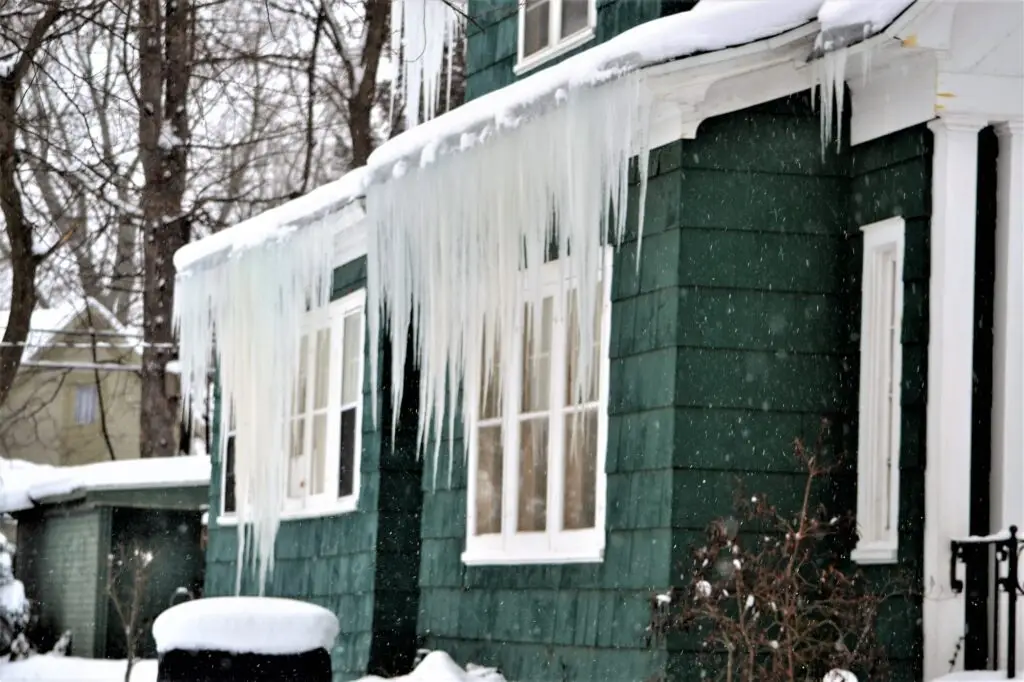
A defining feature of the Fern event was the Arctic air trailing the initial storm, which complicated restoration efforts and increased the risk of secondary damage. Prolonged freezing temperatures significantly higher the probability of burst pipes, which are historically among the most expensive claims for home and property owners. Average claims for freeze-related pipe failures often exceed $30,000. For recovery professionals, this “multiplier effect” requires immediate, specialized intervention to secure the property and begin content restoration before environmental factors cause further deterioration.
Navigating the 2026 Insurance Landscape
Entering 2026, the home insurance market has shown signs of stabilization after years of rapid increases. While premium growth has moderated to roughly 8.5% year-over-year, down from the 18% surge seen in 2024, overall costs remain at historic highs. 1
Managing Cost Volatility through Partnership
Household insurance costs have reached a level where they directly impact debt-to-income ratios and mortgage affordability. These persistent costs are driven by a combination of labor shortages and elevated reinsurance contract expenses. In this environment, insurance adjusters and carriers are increasingly looking for ways to control claim severity without compromising the quality of the policyholder experience.
A critical strategic shift in 2026 is the management of “non-peak” perils, such as winter storms and convective events, which now rival traditional hurricanes as major loss drivers. By prioritizing professional restoration over total replacement, industry partners can effectively navigate these high-loss cycles while maintaining budget integrity.
The Strategic Value of “Restore-First” to Boost Claims Efficiency
In an era of rising deductibles and high construction demand, content recovery companies like Content Recovery Specialists demonstrate that a “restore-first” approach provides the most sustainable path for recovery. This strategy not only preserves irreplaceable belongings but also drastically reduces the financial burden on the carrier.
Comparative Cost-Benefit Analysis
Data from professional packout and restoration projects show that the savings are substantial when compared to full replacement. On average, restoring items can represent an 83% reduction in claim expenses.
| Category | Avg. Restoration Cost | Avg. Replacement Cost |
| Furniture | $767.06 | $2,300.00 |
| Electronics | $124.00+ | $1,200.00+ |
| Kitchenware & Appliance | $94.76 | $1,105.24 |
| Sample Claim Total | $1,136.82 | $6,404.24 |
Enhancing Adjuster Efficiency and Workflow
The workload for insurance adjusters following a major event like Winter Storm Fern can lead to significant burnout. Specialized partnerships with content packout companies like Content Recovery Specialists are designed to alleviate this pressure by streamlining the most labor-intensive parts of a claim.
Speed through Digital Precision
Modern content recovery relies on “SPEED”—the speed of data collection and job cycle time. Utilizing a digital inventory system allows for:
- Dispute Resolution: Photo-based records eliminate debates over an item’s pre-loss condition or value.
- Workflow Integration: Digital reports allow adjusters to visualize procedures remotely, leading to faster structural repair approvals.
- Scalability: Advanced documentation can process 1,200+ images in minutes, moving teams from administrative tasks back to customer-facing service.
By delegating the packout and cataloging of personal property, adjusters can focus on the broader aspects of the claim, improving their work-life balance and speeding up the overall resolution for the insured.
Professional Standards in Specialty Recovery
Success in 2026 is driven by adherence to high industry standards and the use of specialized techniques. CRS employs IICRC-certified technicians who specialize in diverse material recovery, from clothing restoration to restoring kitchenware and appliances.
| Restoration Focus | Techniques |
| Furniture | Soot removal, microbial growth prevention, and odor elimination |
| Electronics | Component-level inspection, ultrasonic cleaning, and electrical testing |
| Clothing | Specialized stain removal and environmentally friendly deodorization |
| Kitchenware | Deep sanitation protocols for safe food contact and electrical safety checks |
This expertise allows for the salvage of items that might otherwise be deemed a “total loss,” maximizing the value of the policy and reducing the friction often found in complex property claims.
Conclusion: Partnering for a Resilient Future

The aftermath of Winter Storm Fern has solidified a new paradigm in disaster recovery. For the insurance adjusters, restoration contractors, and home and property owners who have had their contents damaged by disasters, the most effective path forward is rooted in specialized partnership and technological efficiency.
By leveraging a restoration-first approach, industry professionals can:
- Lower Claim Severity: Achieve up to an 83% reduction in content-related expenses.
- Alleviate Administrative Burdens: Use a digital inventory to eliminate conflict and speed up cycle times.
- Enhance Policyholder Satisfaction: Restore irreplaceable memories that replacement checks simply cannot provide.
As the industry navigates the shifts of the 2026 market, those who combine disciplined recovery strategies with advanced technology will lead the way in restoring not just buildings, but the lives and memories of those within them.