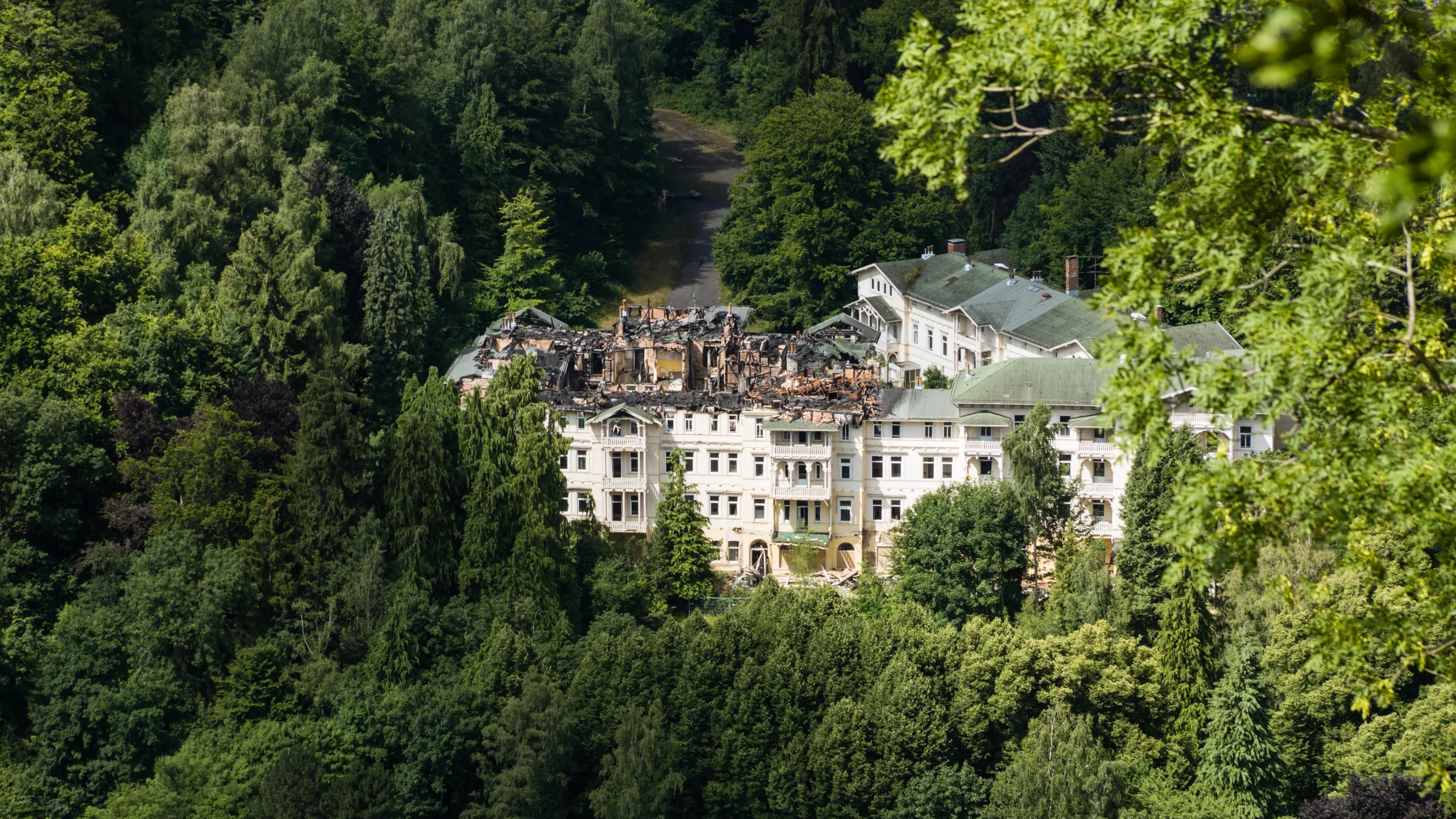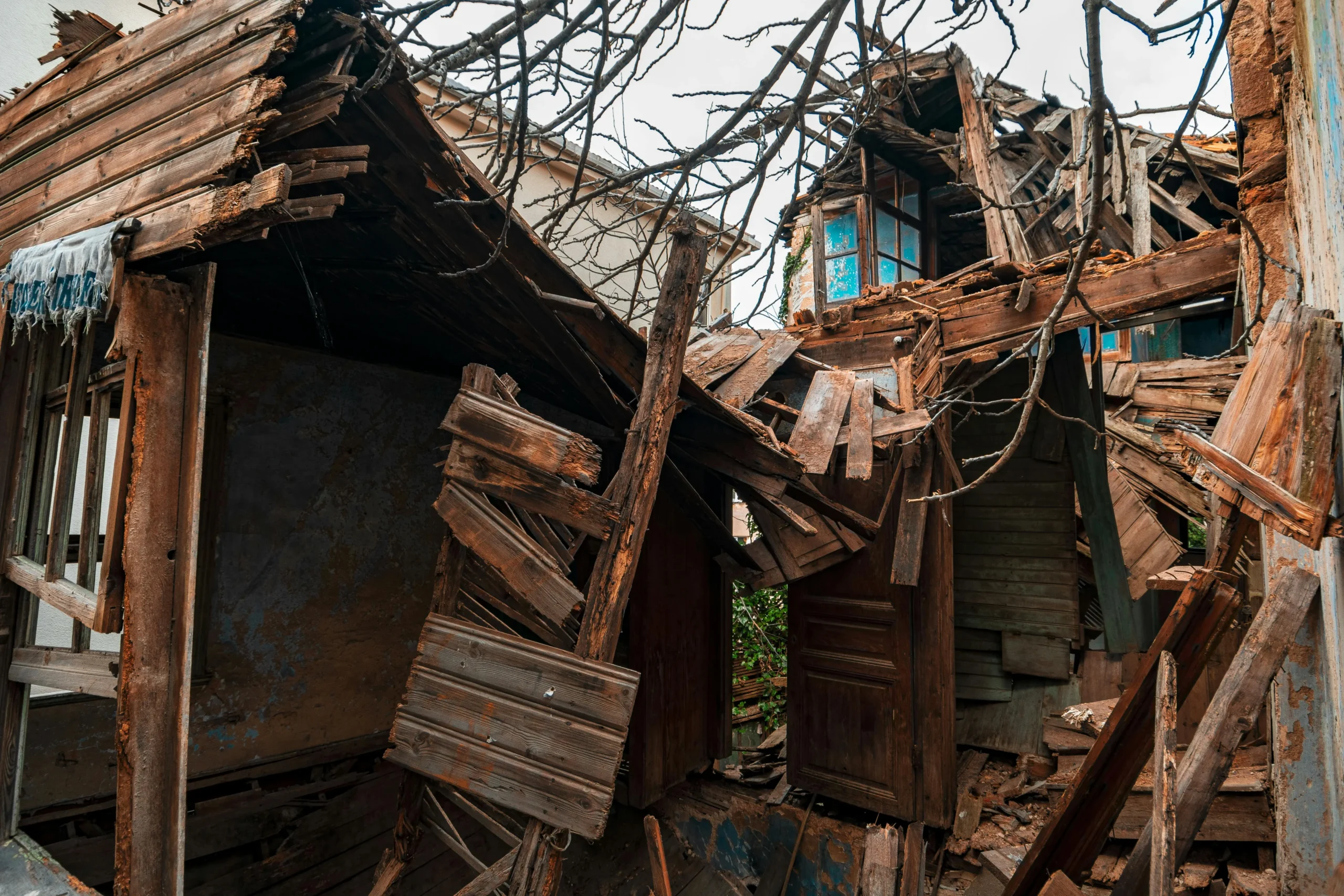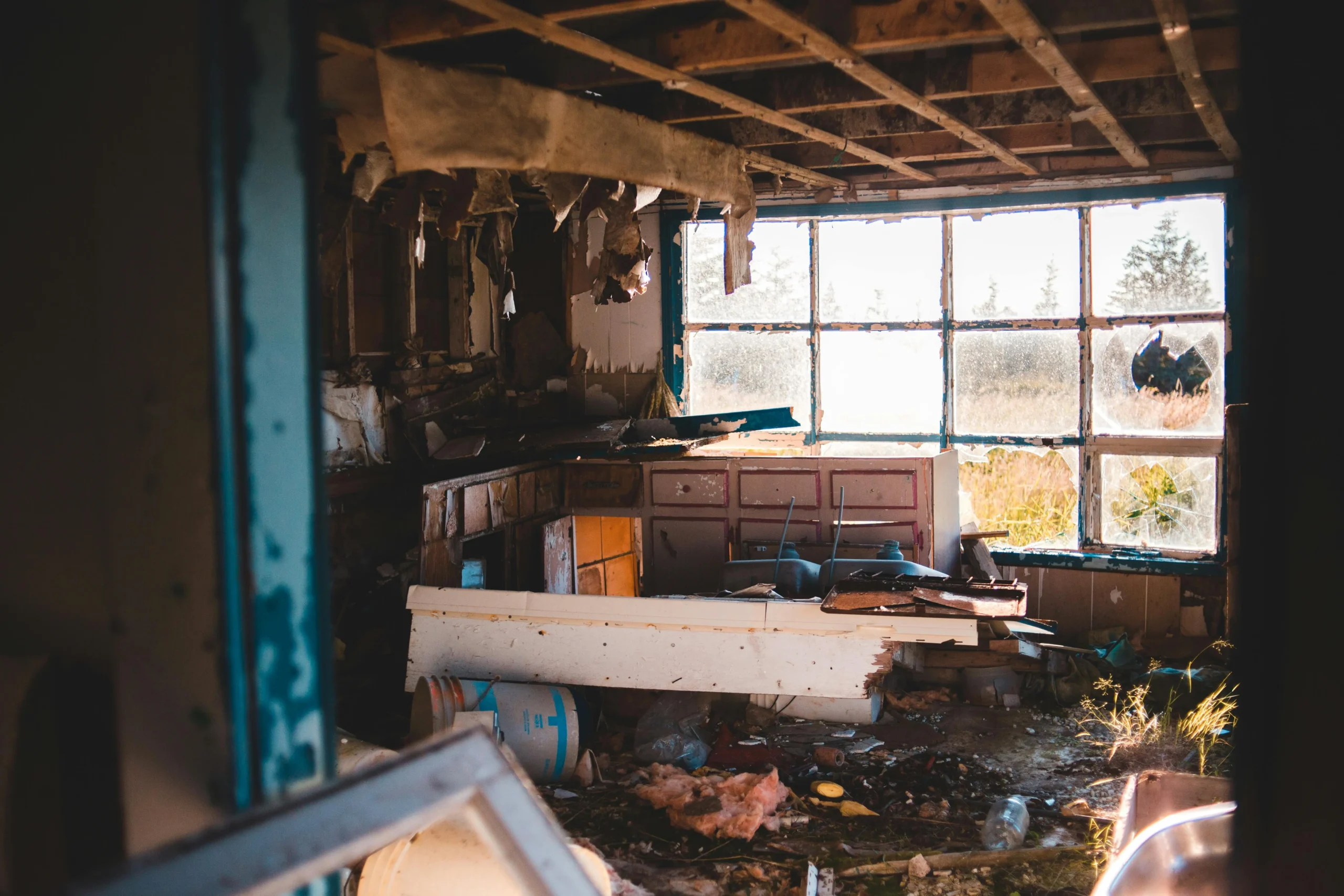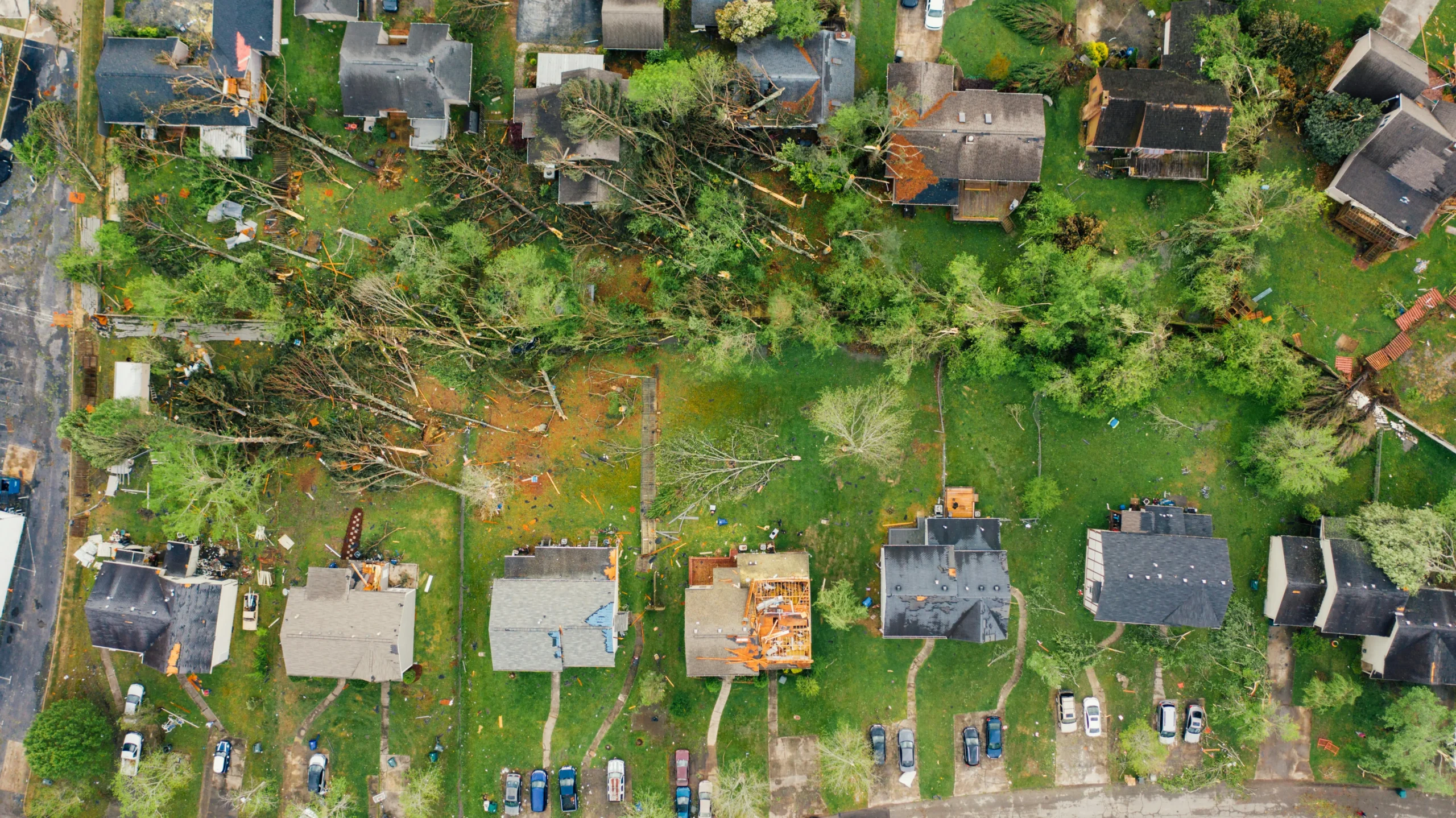
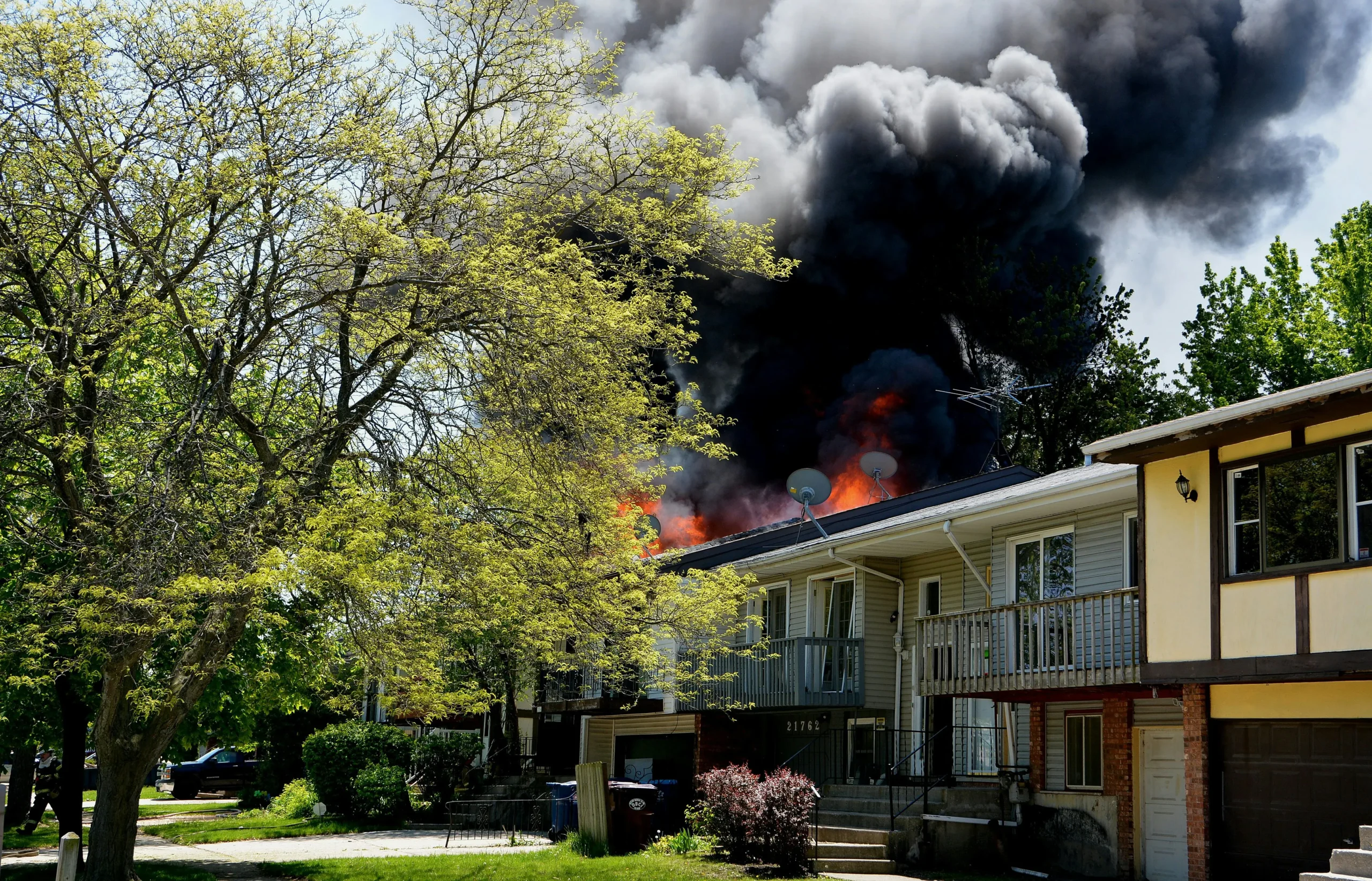
When the fire department clears a scene and declares the fire out, property owners often draw a sigh of relief. However, the visible flames tell only a fraction of the story. In reality, a secondary, chemical clock begins ticking the moment the fire dies down. The chemical byproducts of combustion—namely smoke and soot—are highly volatile, aggressive, and corrosive which lead to what’s called secondary damage. Left unaddressed, they can cause more long-term financial devastation to your property than the physical fire itself.
Understanding how a fire loss rapidly escalates into severe secondary damage is essential for protecting your home, your health, and your insurance coverage.
The Silent Corrosion: Acidic Soot Etching
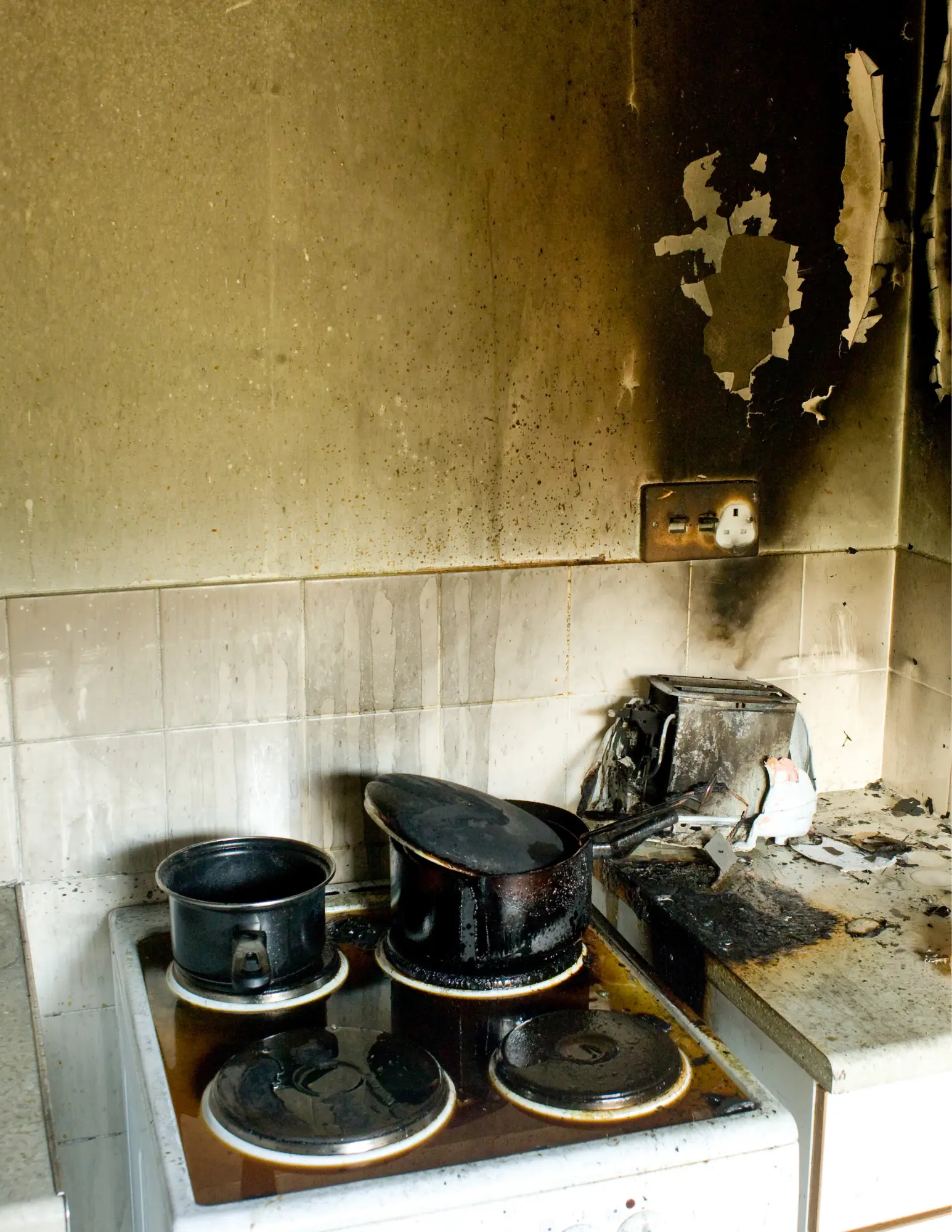
Modern homes are filled with synthetic materials, plastics, treated woods, and complex chemical compounds. When these burn, they don’t just turn into simple ash; they produce highly toxic, acidic soot. This soot travels via heat currents throughout the entire property, settling in areas completely untouched by fire.
Once soot lands on a surface, a destructive chemical reaction begins:
- Within Minutes: Porous plastics, white appliances, and finished woodwork begin to discolor, turning a stubborn yellow.
- Within Hours: The acidic nature of the residue starts etching into glass, tarnishing chrome, and pitting metals. Unprotected electronics begin experiencing internal circuit degradation.
- Within Days: Wall finishes permanently stain, grout discolors permanently, and metals suffer severe, unrecoverable corrosion.
Without rapid cleaning and restoration from professionals who understand chemical neutralization, items that survived the heat will be permanently ruined by the residue.
The Trapped Threat of Smoke and Cross-Contamination
While soot is a physical, oily particle, smoke behaves like a gas. It penetrates deep into wall cavities, insulation, HVAC ductwork, and soft textiles. As the home cools after a fire, porous materials act like sponges, trapping these complex odor molecules inside their fibers.
If structural demolition or content movement is handled improperly, cross-contamination occurs. Walking through soot-heavy rooms stirs up fine particulate matter, sending it airborne to settle on previously clean areas. Furthermore, running a standard HVAC system after a minor fire will instantly distribute toxic smoke odors throughout the entire property, turning a localized kitchen fire into a building-wide secondary disaster.
The Hidden Factor in Fire Losses
It is an ironic reality of property restoration that almost every major fire loss is also a major water loss. The thousands of gallons of water used by firefighters to extinguish the flames introduce massive volumes of moisture into a compromised, soot-filled environment.
This combination creates a hyper-humid “greenhouse effect” inside the structure. The moisture mixes with the ambient soot to form an acidic slurry that runs down walls and sinks deep into flooring. This elevated humidity also creates a prime breeding ground for mold, compounding your fire recovery with an aggressive biological threat.
Conclusion
A fire is a traumatic event, but the secondary chemical reactions it sets off shouldn’t be allowed to double your losses. Acidic soot, toxic smoke gases, and high-humidity cross-contamination represent an invisible secondary wave of destruction that requires immediate, expert neutralization.
Recognizing that the clock is ticking the second the flames are extinguished is the single best way to protect your investment. Partnering with professionals who understand the intricate chemistry of smoke damage ensures that your home—and everything inside it—can truly recover.
To prevent your fire claim from spiraling out of control, securing an immediate property evaluation is vital. For a step-by-step breakdown of how these timelines impact your recovery, explore our main article on preventing secondary damage or contact Content Recovery Specialists to safeguard your belongings.