
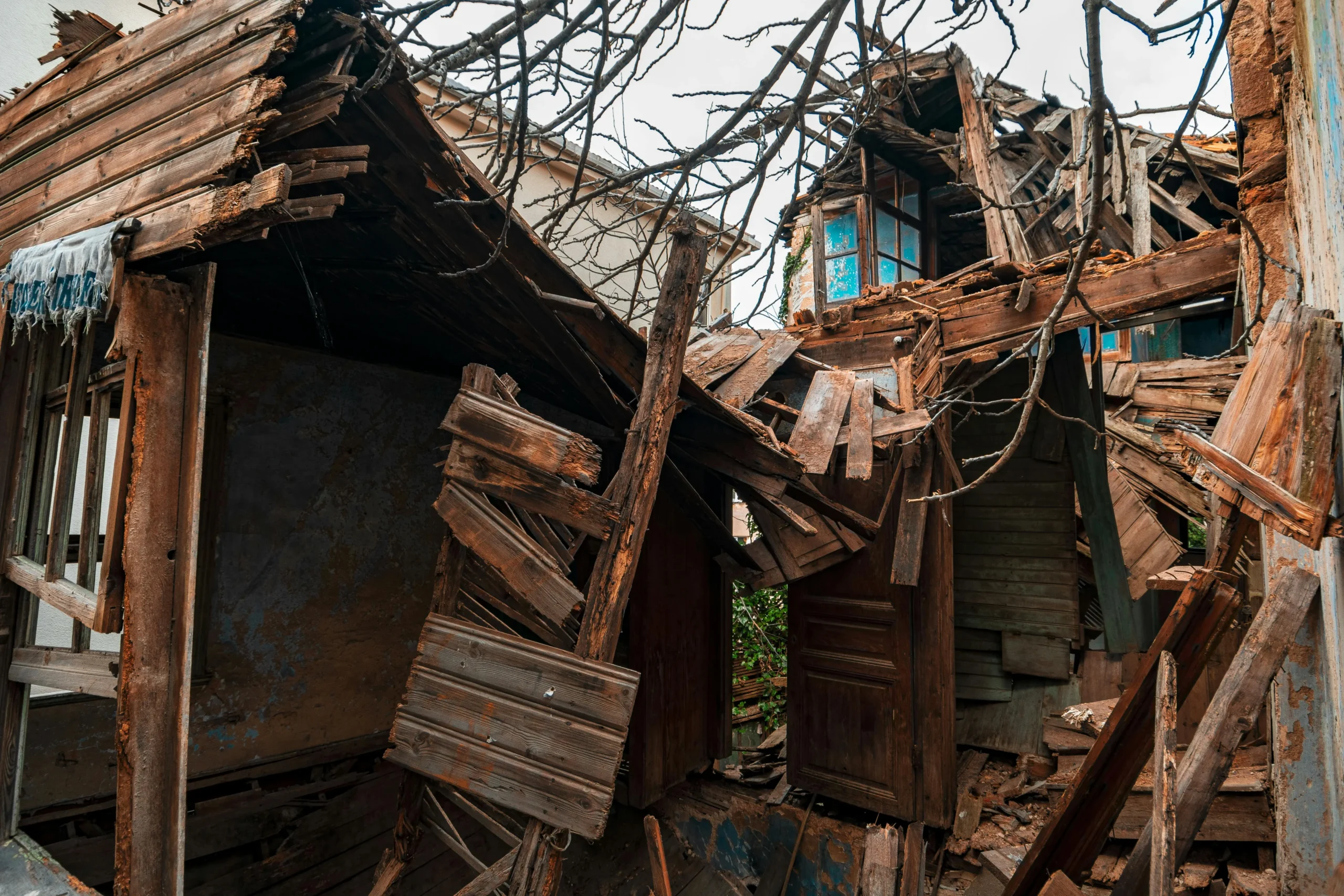
When you invest in a homeowners insurance policy, one of the most important parts of that policy is dwelling coverage. It is easy to overlook because it sounds technical, but it plays a major role in protecting your home after damage from events like fire, wind, hail, lightning, or certain types of water damage.
At Content Recovery Specialists, we see firsthand how confusing insurance terms can be in the middle of a loss. If you understand your coverage before something happens, it is much easier to make smart decisions during a stressful time.
Table of Contents
What Is Dwelling Coverage?
Dwelling coverage (also called Coverage A) is the part of your homeowners insurance policy that helps pay to repair or rebuild the structure of your home. That usually includes things like:
- The walls
- The roof
- Floors
- Built-in cabinets
- Attached garages
- Permanently installed fixtures
In simple terms, dwelling coverage protects the part of the house that you would not take with you if you moved.
This is different from personal property coverage, which helps protect items inside the home such as furniture, clothing, electronics, appliances, and other belongings. You can read more about how your insurance policy applies to your belongings here.
Why Dwelling Coverage Is So Important
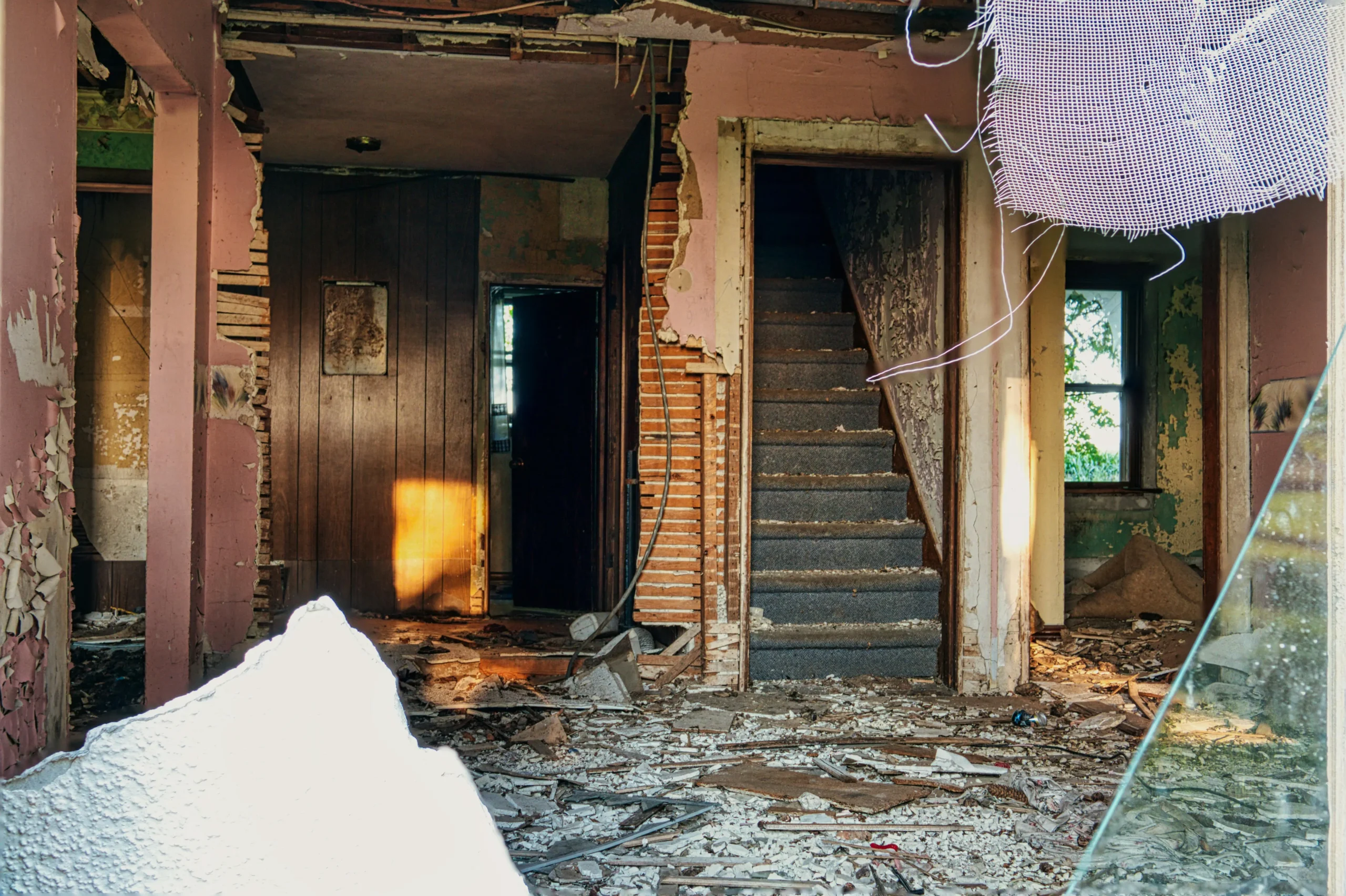
A house is often the biggest investment a person makes. If a covered disaster damages your home, repair costs can add up fast. Even a relatively small fire, leak, or storm can lead to major structural repairs.
Dwelling coverage is important because it helps you restore the physical shell of your home so you can safely live there again. Without enough coverage, you may be left paying out of pocket for part of the rebuild.
In fact, according to the Federal Reserve Bank of Philadelphia, the average U.S. homeowner with a mortgage is insured for only about 70% of what it would actually cost to rebuild their home.
That is why it is worth reviewing your policy limits before disaster strikes. Many homeowners do not realize their policy’s amount may be lower than the cost to fully rebuild their home today.
How Dwelling Coverage Is Calculated
Your dwelling coverage limit is usually based on the estimated cost to rebuild your home, not the market value or what you paid for it. That difference matters.
For example, your home might have a market value that reflects your neighborhood, land, and local demand. But dwelling coverage only focuses on what it would cost to reconstruct the building itself.
That means things like local labor costs, construction materials, square footage, layout, and custom features all matter. If your home has upgrades, unique finishes, or older materials that are harder to replace, you may need a higher limit.
What Dwelling Coverage Usually Does Not Include
Dwelling coverage does not typically cover everything. In most policies, it will not pay for:
- Detached structures like sheds, fences, or detached garages unless covered separately
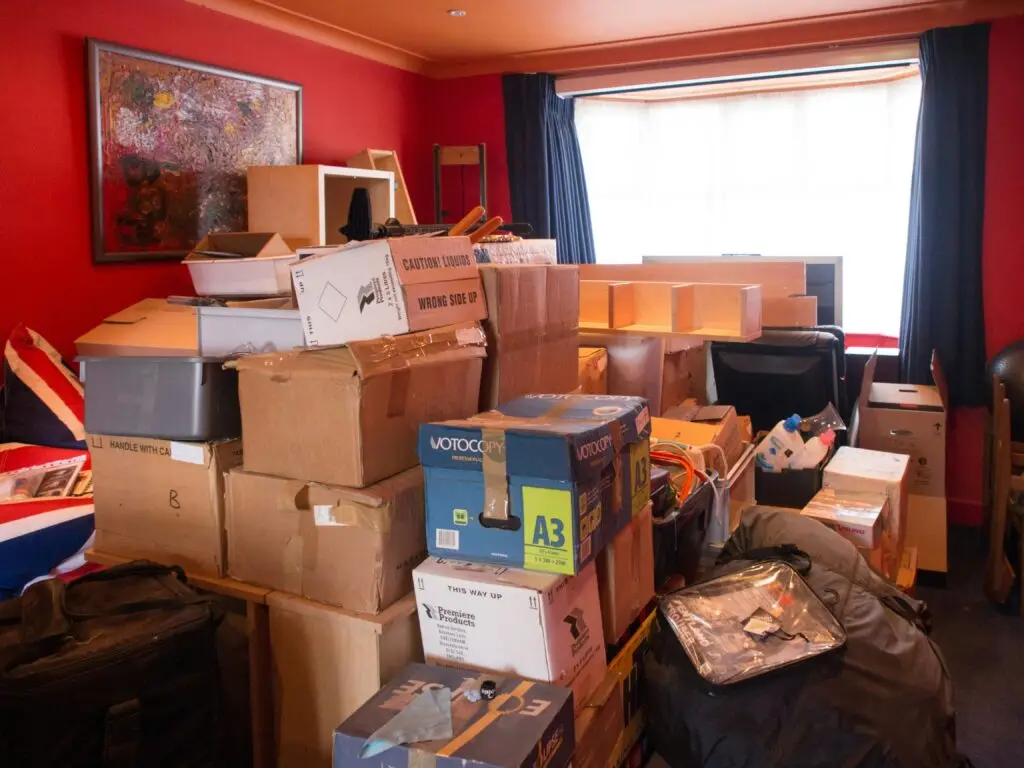
- Personal belongings inside the home
- Flood damage
- Earth movement, depending on the policy
- Normal wear and tear
- Lack of maintenance
Because of that, it is important to read your policy carefully and understand where one coverage ends and another begins. We have a guide breaking down the Three Different Buckets of Insurance and what exactly each one covers for you to read.
How to Know If You Have Enough Dwelling Coverage
A good rule of thumb is to review your policy at least once a year, especially if you have made updates to your home. Consider whether you have:
- Added square footage
- Renovated a kitchen or bathroom
- Upgraded flooring, cabinets, or fixtures
- Increased the value of custom features
- Seen construction costs rise in your area
If your home would cost more to rebuild today than it did when you first bought insurance, your dwelling coverage may need to be adjusted.
FAQ
What is dwelling coverage in a homeowners insurance policy?
Dwelling coverage helps pay to repair or rebuild the physical structure of your home after a covered loss, such as fire, wind, hail, or certain types of water damage.
Does dwelling coverage include the items inside my home?
No. Items inside the home—like furniture, clothing, electronics, and personal belongings—are covered under personal property coverage, not dwelling coverage.
Does dwelling coverage pay for water damage?
It depends on the source. Sudden and accidental water damage (like a burst pipe) is often covered, but flooding from outside the home usually requires a separate flood insurance policy.
Is dwelling coverage based on market value?
No. Dwelling coverage is based on the cost to rebuild your home, not what it would sell for on the market. Land value and location demand are not included in this calculation.
How often should I review my dwelling coverage?
At least once a year, or anytime you make major improvements to your home.

Protecting Your Home Starts with Knowing Your Policy
Dwelling coverage is one of the most important parts of a homeowners insurance policy because it helps protect the structure of your home when disaster strikes. But after a loss, it is only one piece of the recovery process.
Your home and your belongings both matter. Understanding your coverage ahead of time can help you move faster, make better decisions, and reduce stress when you need support the most.
Recently Experienced a Disaster? Call CRS.
If you have recently fallen victim to a fire, flood, storm, or other disaster, call Content Recovery Specialists. We specialize in packing out and restoring contents so we can help protect what matters most while your home is being restored. Our team is here to help you through the recovery process with care, speed, and experience.