
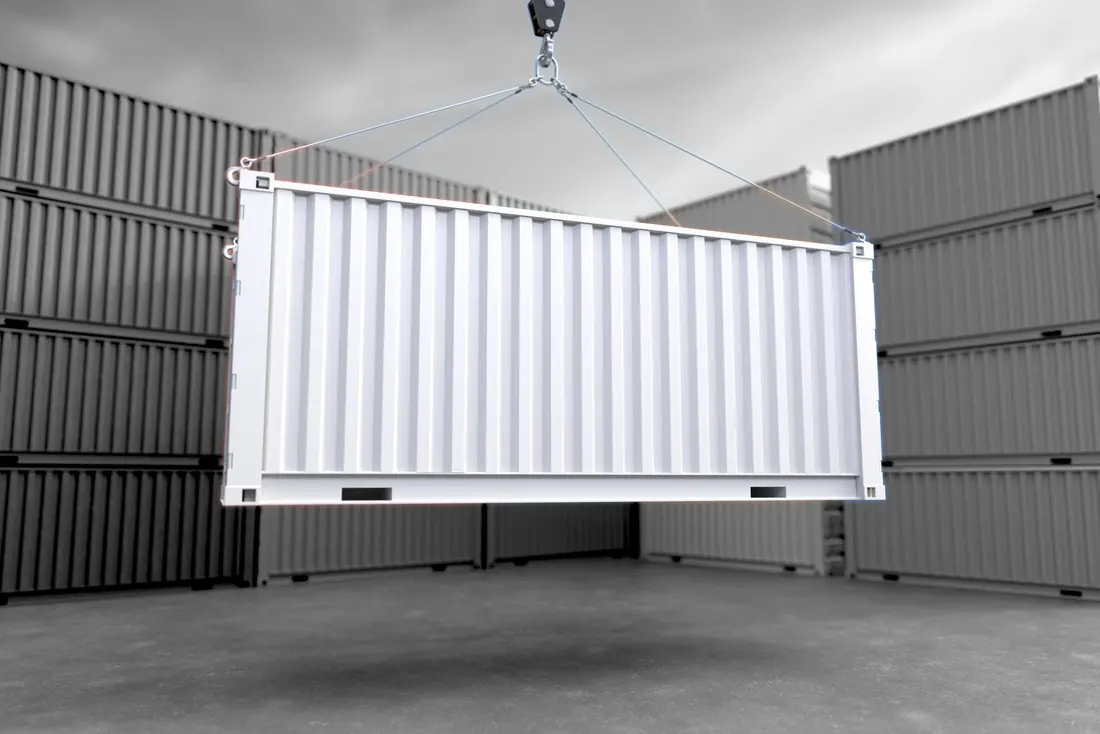
Storing household or business contents in a standard, unmonitored storage container during a property restoration is not recommended. This practice poses a significant risk to valuable items due to the lack of environmental control, high security risks, & poor inventory management. Unlike a professional, climate-controlled storage facility, these containers offer minimal protection, which can lead to substantial, uninsured losses.
Storage Container Incidents
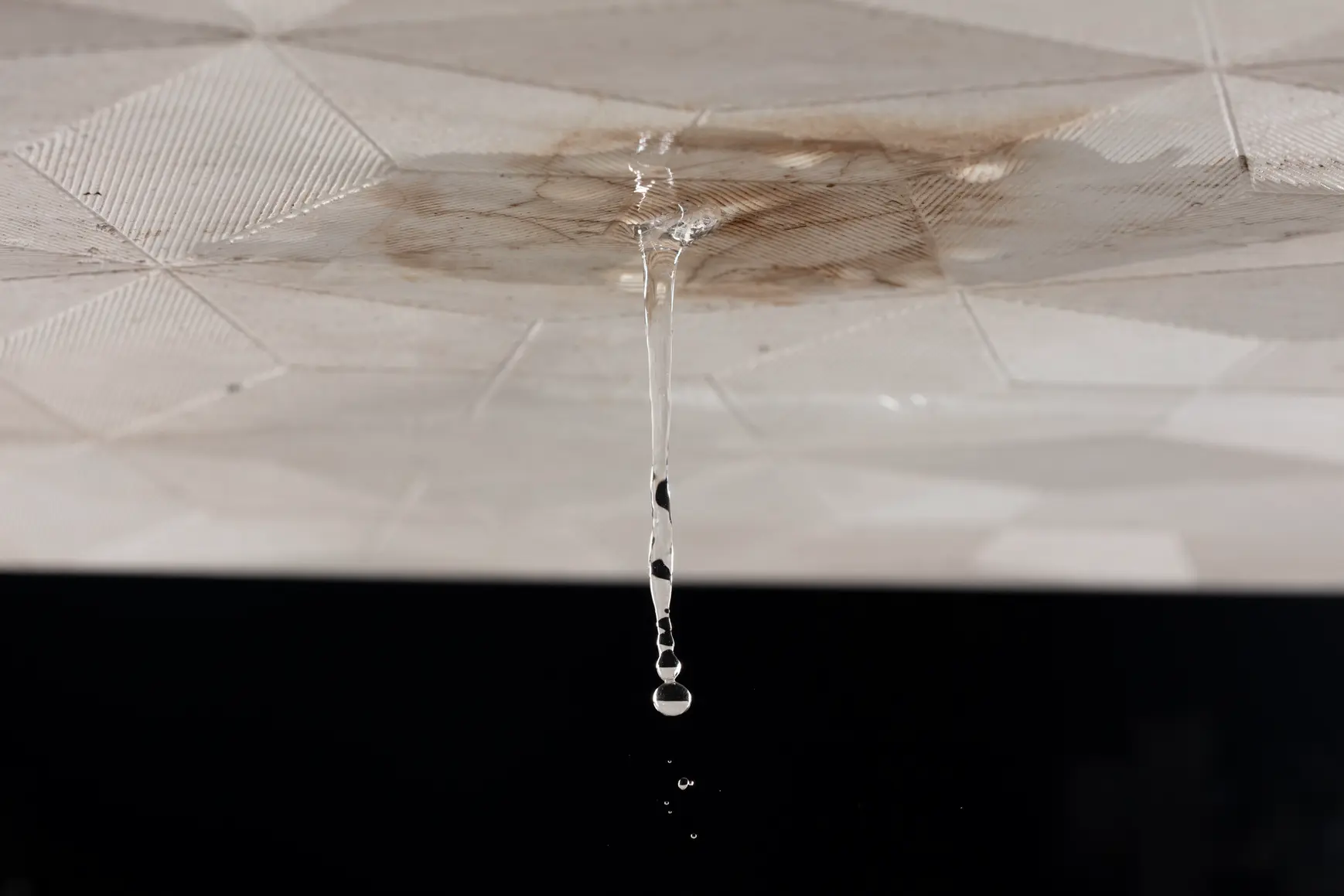
📍Santa Ana, CA
Nature of Loss: Leak / Water Damage
Contents: Valuable Furniture & Artwork
The Issue: Renter stored valuable furniture & artwork. A leak damaged the property. The Renter moved to a new unit & signed a new lease containing a strict “Limitation of Liability” clause for water damage.
Critical Info: The Renter alleges the Facility was aware of the leak from prior customer complaints but failed to fix it or disclose the known defect when renting the unit.
📍Lakeland, FL
Nature of Loss: Moisture/Humidity
Contents: Whole House Furniture
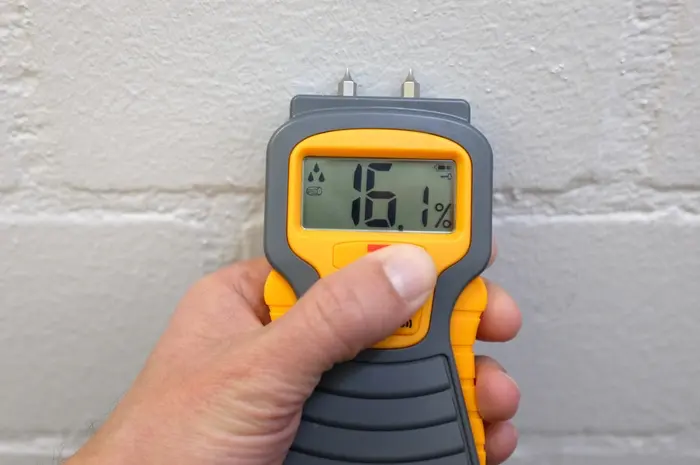
The Issue: Contents of the container were damaged due to moisture infiltration, mold/mildew, or rodent infestation. The damage often occurs over an extended period.
Critical Info: The Renter stored an entire house of furniture in a unit placed on their property in Florida for four months. Upon opening the unit, all contents were extensively damaged by mold & mildew.
📍Charleston, SC
Nature of Loss: Theft
Contents: Whole House Furniture
The Issue: The Renter utilized the service for storage during a move. When the unit was delivered back to the Renter, the lock was cut, & contents were stolen.
Critical Info: The Company’s driver was a witness to the damage (cut lock) upon delivery, confirming the theft occurred while the container was under the Company’s control.
The Risks of a Storage Container
1. Damage from Climate & Moisture
The primary risk associated with standard metal storage containers is the extreme internal climate instability, which can severely damage sensitive belongings.
2. Pest Infestations & Contamination
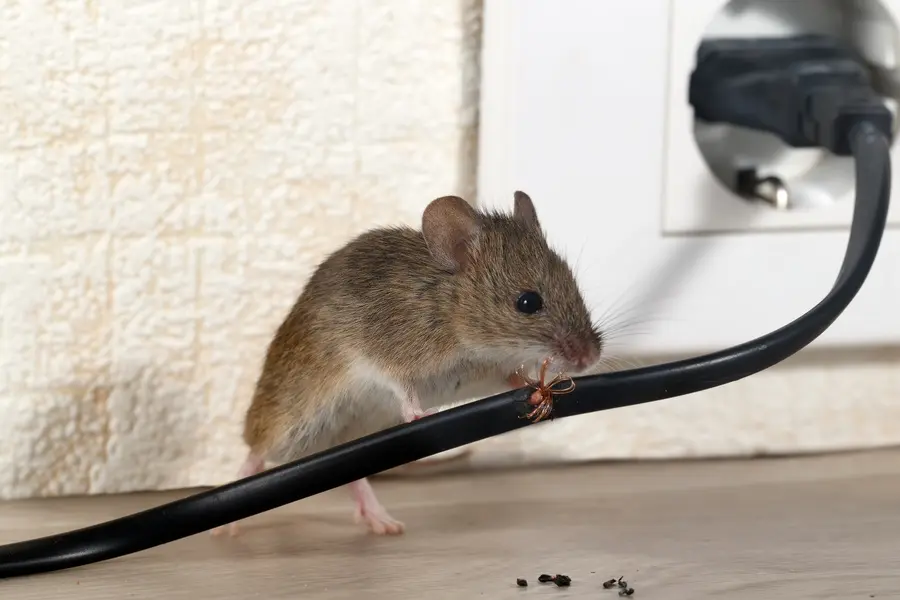
Standard storage containers are not airtight & can become an accessible & attractive nesting ground for various pests, leading to contamination & destruction.
Pest Attraction
Rodents, insects, & other pests can easily enter standard containers
Significant Damage
A single pest can cause extensive damage by chewing through electrical wiring, fabrics, upholstery, & cardboard boxes, leading to the contamination & irreversible destruction of stored items.
3. Improper Handling of Contents
Skipping essential packing steps before storage in an unmonitored container exacerbates the risk of long-term damage.
Contents are often incorrectly wrapped or packed by untrained individuals. For instance, wrapping items like wooden furniture in plastic is ill-advised for long-term storage, as the trapped moisture can lead to damaged finishes & mold growth. Professional restoration companies follow specific protocols (e.g., breathable wrapping) to prevent this.
4. Insurance & Liability Concerns
Using improper storage methods can directly jeopardize an insurance claim, turning a recoverable loss into an uncompensated one.
Failure to Mitigate Loss
Insurance policies require the policyholder to take all reasonable steps to “mitigate loss”—that is, prevent further damage to belongings after a claim event. Using an unmonitored, non-climate-controlled container is often viewed by adjusters as a failure to mitigate loss.
Limited Coverage & Liability
The basic insurance provided by portable container companies is typically inadequate to cover the full value of the contents. Furthermore, their liability for damage to items inside the container due to environmental or pest factors is often limited or non-existent, leaving the owner personally responsible for losses.
5. Security & Access
Compared to professional facilities, standard storage containers present increased security & logistical difficulties.
Higher Risk of Theft
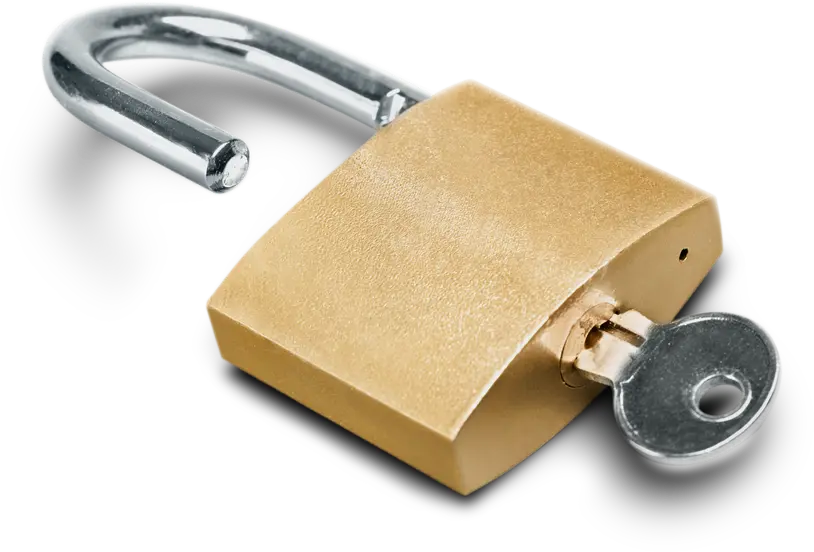
On-site storage containers, especially at unattended
restoration sites, can be an easy target for thieves. The basic locks on many containers are easily compromised compared to the multi-layered security systems of a professional facility.
Limited Retrieval Access
Accessing specific items during the restoration process can be difficult & time-consuming, as contents are often packed densely. Retrieving a single item may require removing & re-stacking a significant portion of the container’s contents.
Upholding Integrity
The integrity of the contents packout and storage phase is paramount to a successful restoration project. This study highlights a critical failure point: the assumption that a sealed metal box is a secure environment. The reality is that standard containers create a micro-climate highly conducive to mold, mildew, & corrosion—the very risks restoration is meant to
mitigate.
For the industry to maintain the highest standards of care, the risks outlined herein must be acknowledged & eliminated. Proper contents handling requires utilizing storage solutions that actively manage temperature & relative humidity, effectively eliminating the dew point risks that lead to destructive condensation. We are obligated to protect the client’s salvageable assets, & that protection must extend from the loss site all the way through to a truly stable storage environment.