Fire damage isn’t just about what gets burned. In restoration work, especially for contents recovery, professionals classify fire damage losses into three main severity levels: minor, medium, and major. These categories help insurance adjusters, restoration teams, and property owners determine the right approach for cleaning, restoration, and replacement of personal or business contents.
For companies like Content Recovery Specialists, this classification is essential in building an efficient packout and recovery plan that maximizes the restorable items while minimizing loss.
Why Fire Damage Severity Matters for Contents Recovery
Understanding fire damage severity isn’t just a technical classification used by restoration companies—it directly impacts how quickly and effectively personal or business contents can be recovered, restored, or replaced. For property owners, insurers, and restoration professionals, these severity levels provide a shared framework for decision-making during an otherwise chaotic and emotional time.
When a fire occurs, contents inside the structure are often affected in ways that are not immediately visible. Even if an item appears “fine” at first glance, smoke particles, acidic soot, heat exposure, and firefighting water can cause long-term deterioration. This is why severity levels are so important: they help determine the true extent of damage beyond what the eye can see.
Severity Levels of Fire Loss
Minor Fire Loss: Light Smoke and Localized Damage
Minor fire loss is the least severe category and typically involves limited exposure to smoke or soot, often confined to a single room or area. In these cases, the fire itself may not have spread widely, but smoke residue can still impact contents.
Characteristics of Minor Fire Damage
- Light soot on surfaces
- Mild smoke odor
- Minimal heat exposure
- Most structural elements unaffected
Impact on Contents
In minor fire events, many belongings are salvageable with proper cleaning techniques. Items such as furniture, clothing, and artwork often require specialized smoke cleaning and deodorization rather than replacement.
Electronics and porous materials may still need inspection, but restoration rates are generally high.
A professional packout team will carefully inventory, remove, and transport affected items to a controlled facility for cleaning and deodorization. This reduces long-term odor absorption and prevents soot from becoming permanent.
Medium Fire Loss: Heavy Smoke and Widespread Contamination
Medium fire damage involves more extensive exposure to smoke, soot, and heat. At this stage, damage is no longer isolated, and contamination often spreads throughout multiple rooms or zones of a structure.
Characteristics of Medium Fire Damage:
- Heavy soot buildup on walls and contents
- Strong, persistent smoke odor
- Heat damage to plastics, fabrics, and finishes
- Possible water damage from firefighting efforts
Impact on Contents:
In medium-loss scenarios, restoration becomes more complex. Many items can still be saved, but they require advanced cleaning methods, including:
- Ultrasonic cleaning for hard goods
- Ozone or thermal deodorization
- Specialized textile restoration
- Controlled drying for water-exposed materials
Some contents may be partially salvageable, while others are deemed non-restorable depending on the extent of contamination.
Major Fire Loss: Severe Structural and Contents Destruction
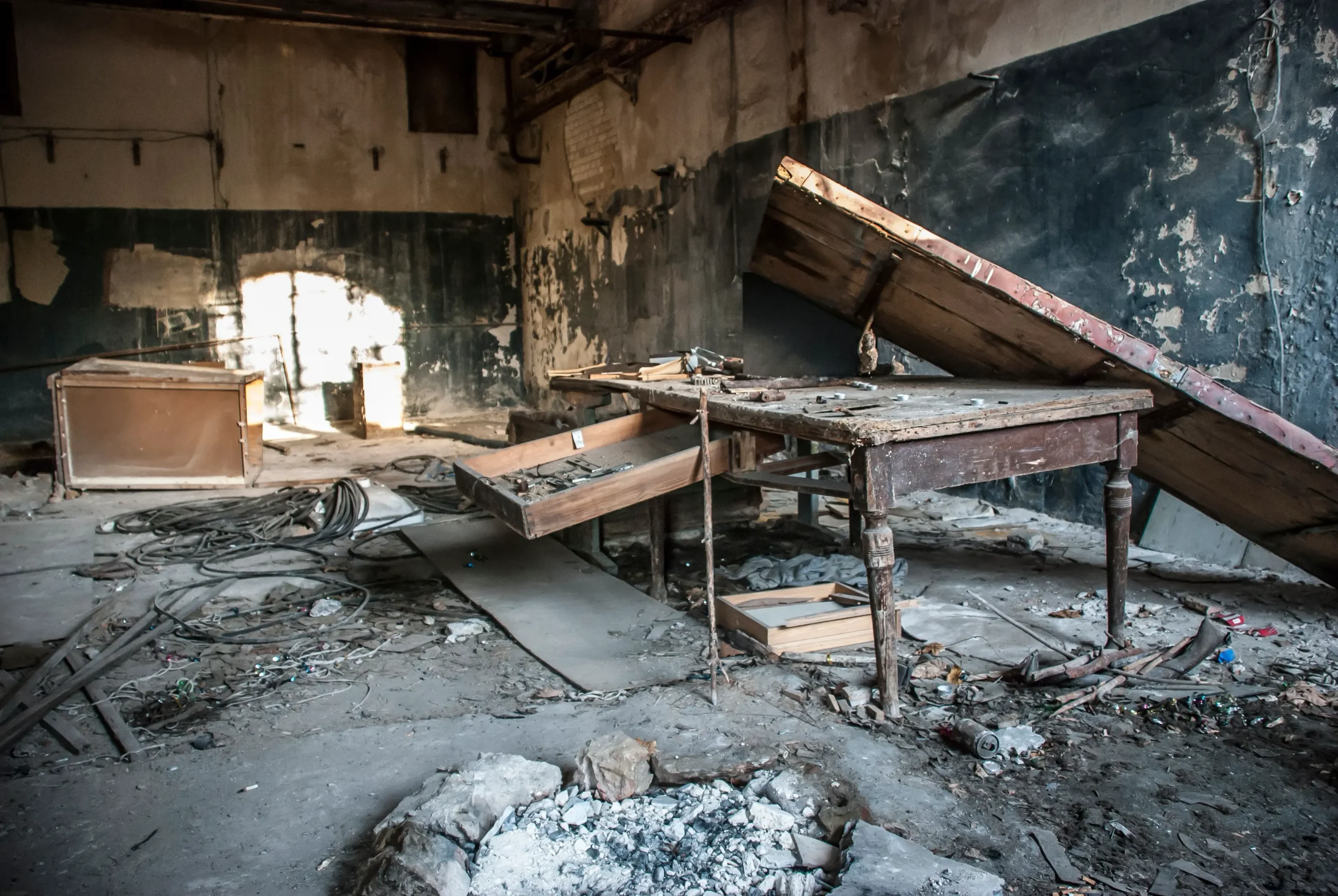
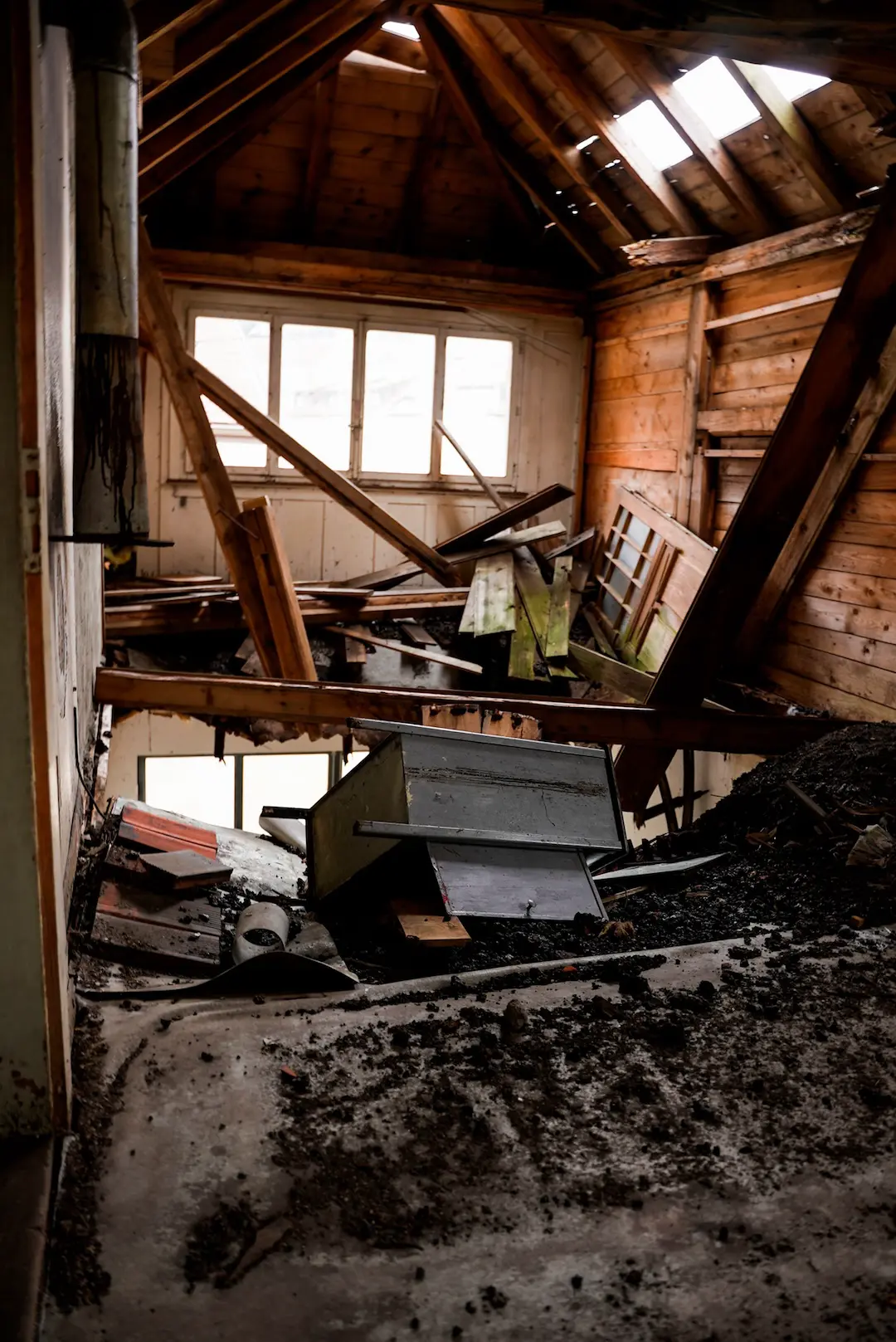
Major fire loss represents the most severe category, where both structure and contents are heavily compromised. Fires at this level often result in partial or total structural failure, and contents are exposed to extreme heat, soot, water, and debris.
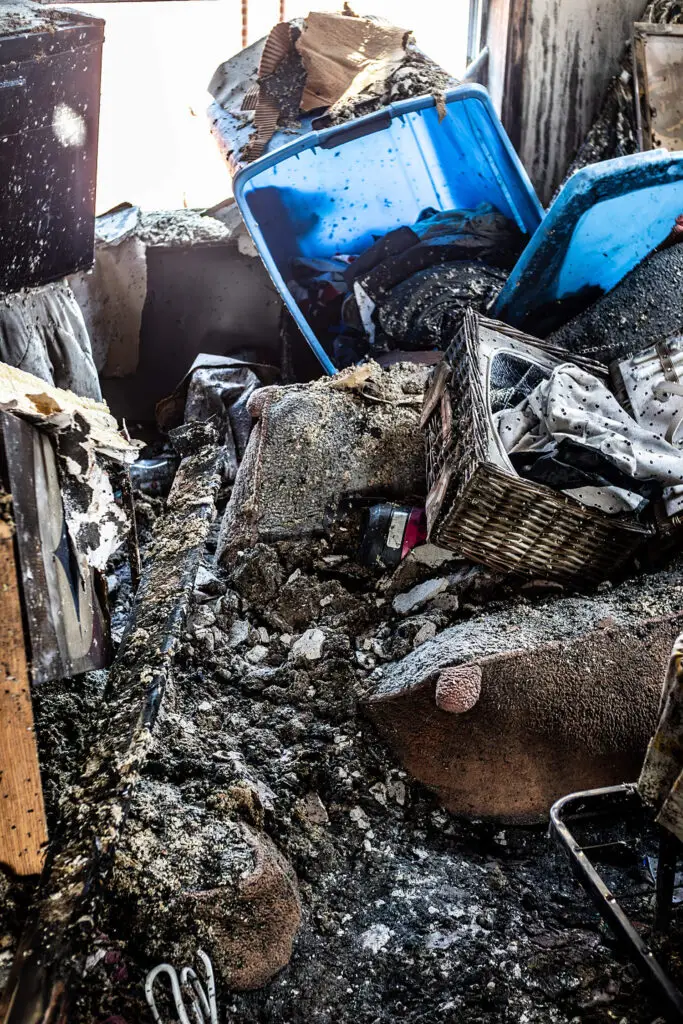
Characteristics of Major Fire Damage
- Extensive structural damage or collapse
- Deep soot penetration throughout the property
- Severe smoke and chemical contamination
- Heavy water saturation from firefighting efforts
Impact on Contents
In major losses, contents are often heavily damaged, though not always completely unsalvageable. High-value or irreplaceable items such as documents, electronics, and sentimental belongings may still be recoverable through advanced restoration techniques.
However, many items fall into the category of total loss replacement, particularly:
- Heat-sensitive electronics
- Melted plastics and composites
- Severely charred furniture and fabrics
Even in these extreme situations, a professional contents recovery team plays a vital role in documentation, inventory management, and insurance support. Proper packout and assessment ensure accurate claims processing and maximize recoverable value wherever possible.
The Role of Professional Packout in Fire Restoration
Regardless of severity level, contents recovery begins with a structured packout process. This involves:
- On-site inventory and documentation
- Careful packing and labeling of contents
- Secure transportation to a restoration facility
- Cleaning, deodorizing, and restoration
- Secure, climate controlled storage
- Seamless packback
Working with a professional team like CRS Packout ensures that no detail is missed during this process. Proper handling can significantly increase the number of items that can be restored rather than replaced.