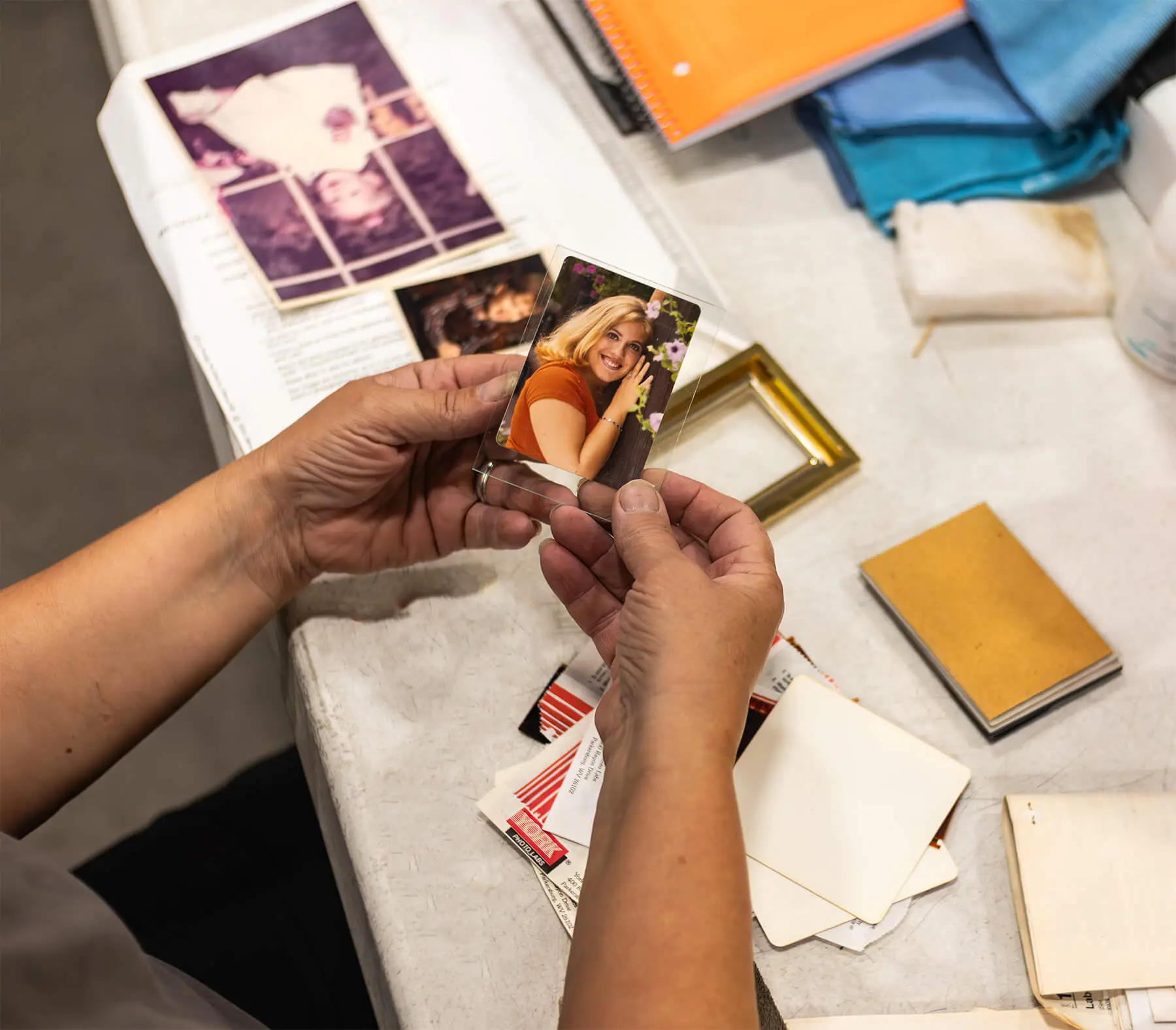
When a disaster hits your home, the physical structure is only half the battle. Your personal belongings—furniture, electronics, clothing, and sentimental items—are immediately thrown into a race against the clock. After the initial fire or water loss occurs, a hidden countdown begins. Without immediate intervention, primary losses rapidly decay into irreversible secondary damage like microbial growth, corrosion, and permanent odor.
This is where a specialized contents restoration company steps in. While structural restoration crews focus on tearing out drywall and stabilizing frames, Content Recovery Specialists (CRS) act as a dedicated shield for your possessions, employing targeted protocols specifically engineered to halt the progression of secondary damage.
The Power of the 12-to-24-Hour Window
In property restoration, time isn’t just money; time is structural and material integrity. The standard protocol at CRS is designed around rapid deployment: meeting with a property owner within 12 hours of initial contact and launching field operations within 24 hours of authorization.
Why does this tight window matter? Because environmental factors start altering your belongings almost instantly. High humidity triggers microbial growth in less than two days, while acidic soot begins etching glass and finishing surfaces within hours. By arriving on-site fast, our content specialists disrupt this progression before chemical and biological changes become permanent.
Securing the Perimeter: Inventory and Packout
One overlooked cause of secondary damage is the chaotic environment of a structural demolition zone. If personal property is left inside a home while contractors pull down ceiling tiles or treat structural timbers, items are subject to construction dust, accidental impact, and cross-contamination.
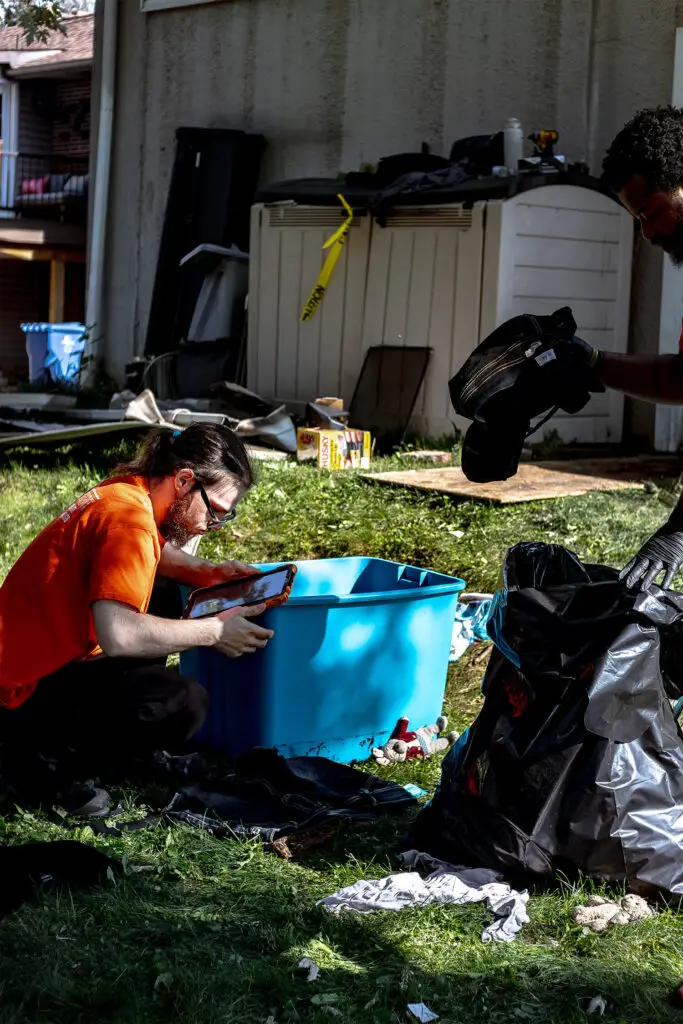
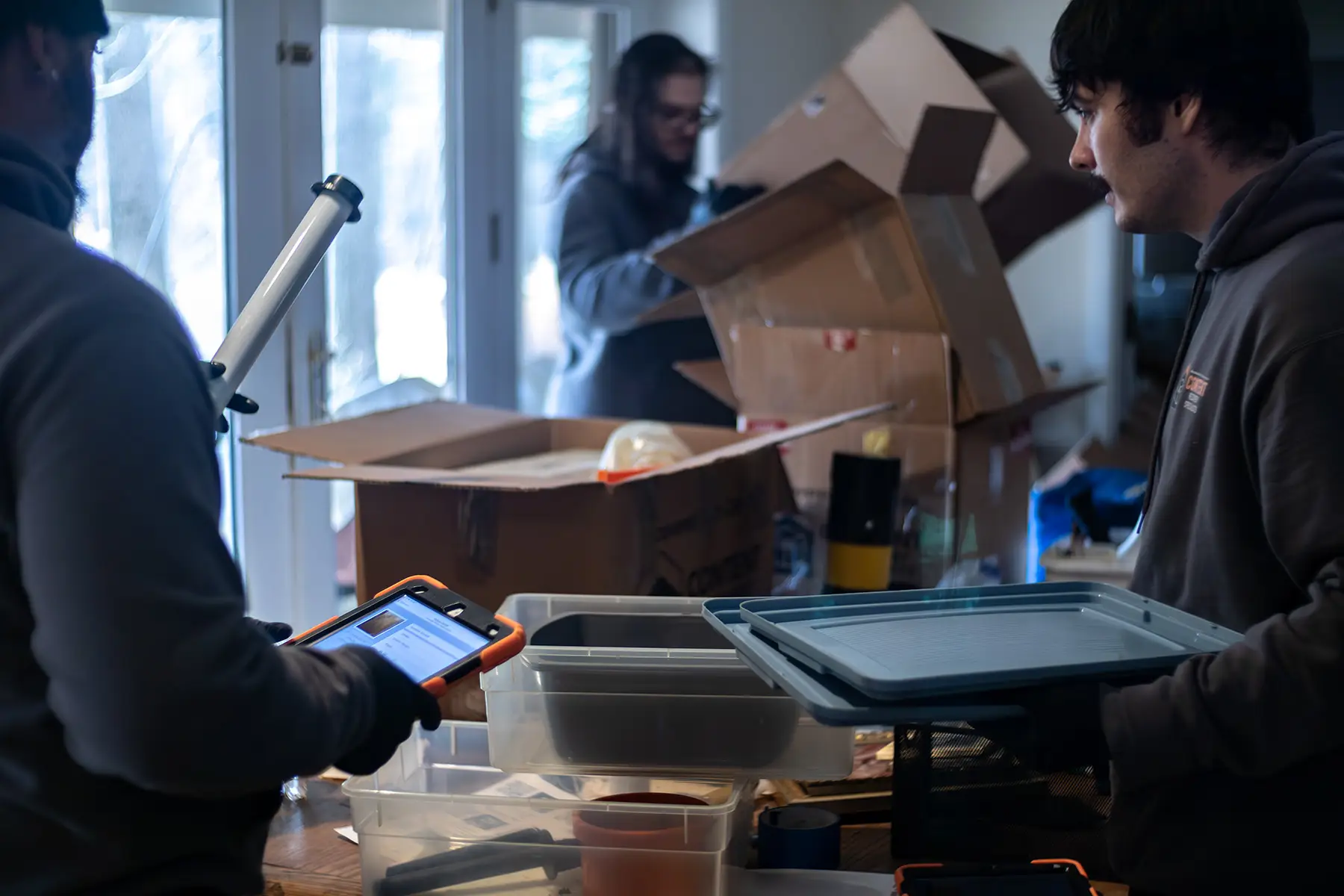
CRS eliminates this risk entirely by prioritizing the contents first. Utilizing an advanced digital inventory system, every single item is logged, photographed, and barcoded. Following this tracking process, professional packout services ensure that items are wrapped in specialized protective materials, boxed securely, and safely removed from the affected area. Moving items to a secure, climate-controlled facility completely insulates them from the ongoing hazards at the loss site.
Arresting Moisture in Controlled Drying Chambers
When textiles, books, or solid wood furniture are exposed to water, simply letting them “air dry” in a humid room guarantees microbial growth and warping. CRS counters this by utilizing specialized drying chambers.

These chambers allow technicians to manipulate temperature, air movement, and relative humidity to draw deep-seated moisture out of saturated items quickly and safely. By accelerating the evaporation process in a controlled environment, specialists stop microbial growth spores from colonizing, saving thousands of dollars in irreplaceable personal property and defending your insurance claim against dynamic “neglect” clauses.
Specialized Decontamination and Cleaning
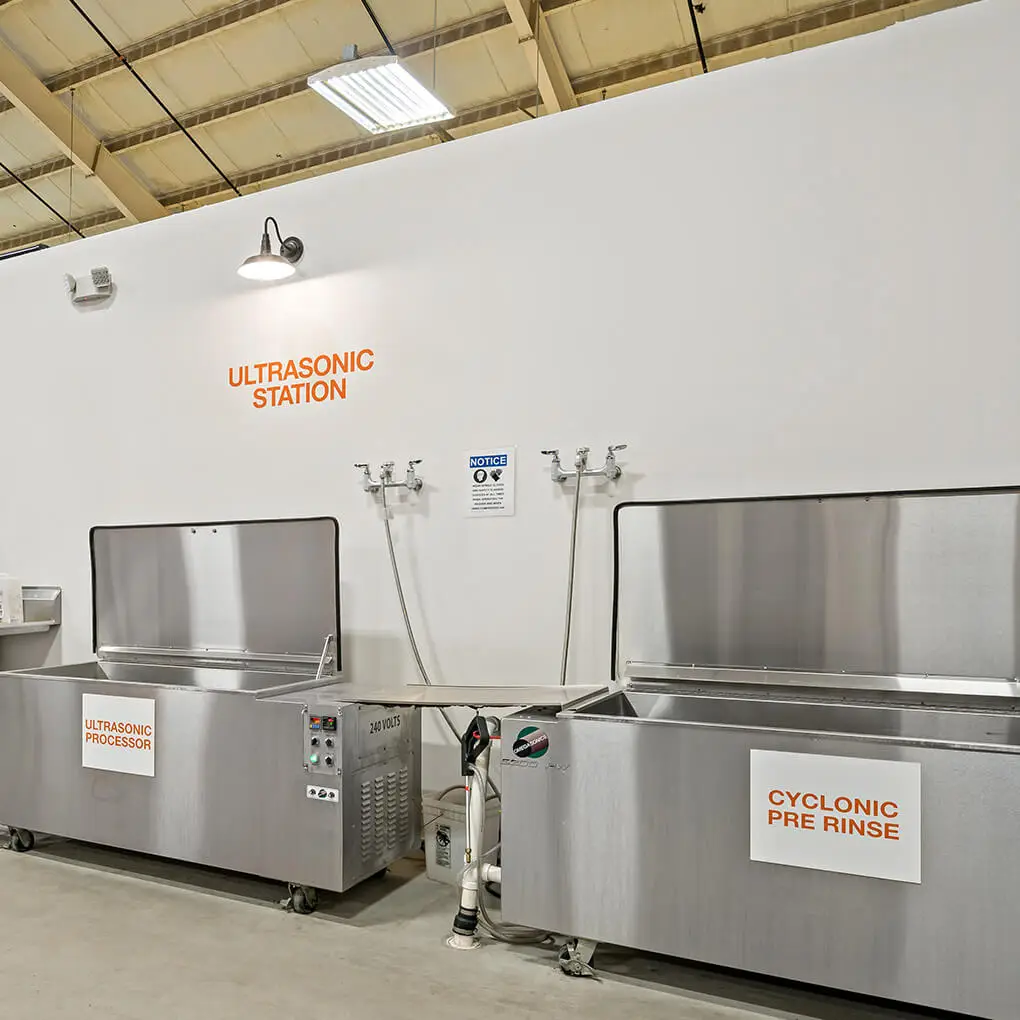
True secondary damage mitigation requires deep scientific knowledge of different materials. We use specialized ultrasonic cleaning and targeted deodorization chambers to neutralize soot acids and moisture trapped inside complex items.
By separating the care of your structure from the care of your belongings, you ensure your personal property receives the dedicated expertise it deserves. If you want to dive deeper into how timing and proactive mitigation protect your property, read our comprehensive guide on preventing secondary damage.
Conclusion
Ultimately, recovering from a disaster isn’t just about rebuilding walls; it’s about reclaiming the items that make your house a home.
Content Recovery Specialists serve as the essential bridge between initial destruction and a fully restored life. By prioritizing rapid deployment, precise digital cataloging, and advanced environmental control, a professional contents team stops secondary damage dead in its tracks.
By separating the care of your structure from the care of your belongings, you ensure your personal property receives the dedicated expertise it deserves. If you want to dive deeper into how timing and proactive mitigation protect your property, read our comprehensive guide on preventing secondary damage.