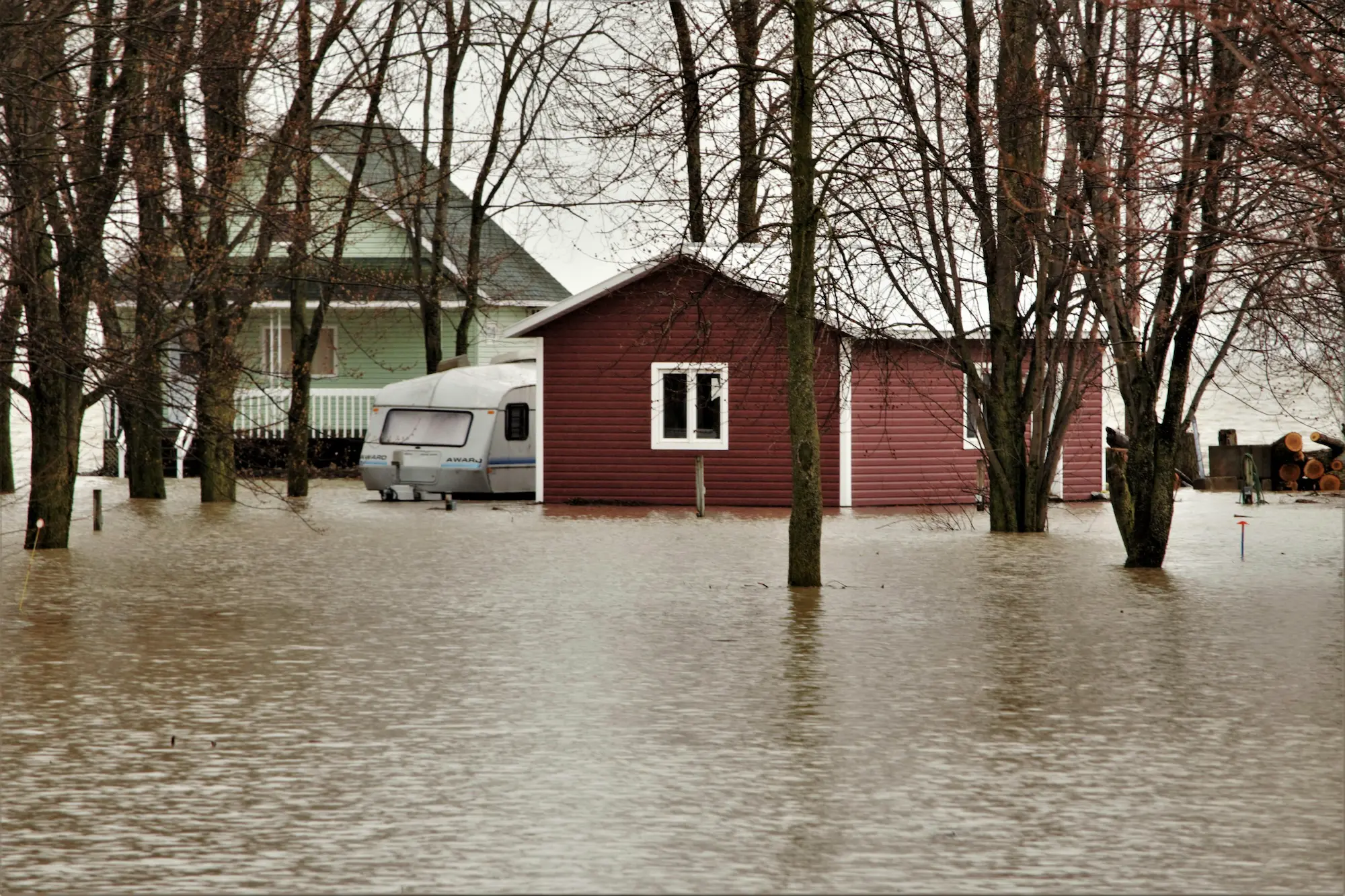
Water damage is deceptive. Unlike a fire, which announces its destructive path with smoke and flames, water moves quietly, finding the path of least resistance. A broken pipe, an overflowing appliance, or storm surge might only look like a puddle on the floor, but beneath the surface, moisture is actively seeking out your personal belongings.
If proper water damage mitigation isn’t started immediately, what began as a straightforward wet rug can rapidly transform into an expensive, heartbreaking disaster for your personal property. When dealing with water, your contents face a progressive threat known as secondary water damage.
The Biological Clock: Mold Growth in 24 to 48 Hours
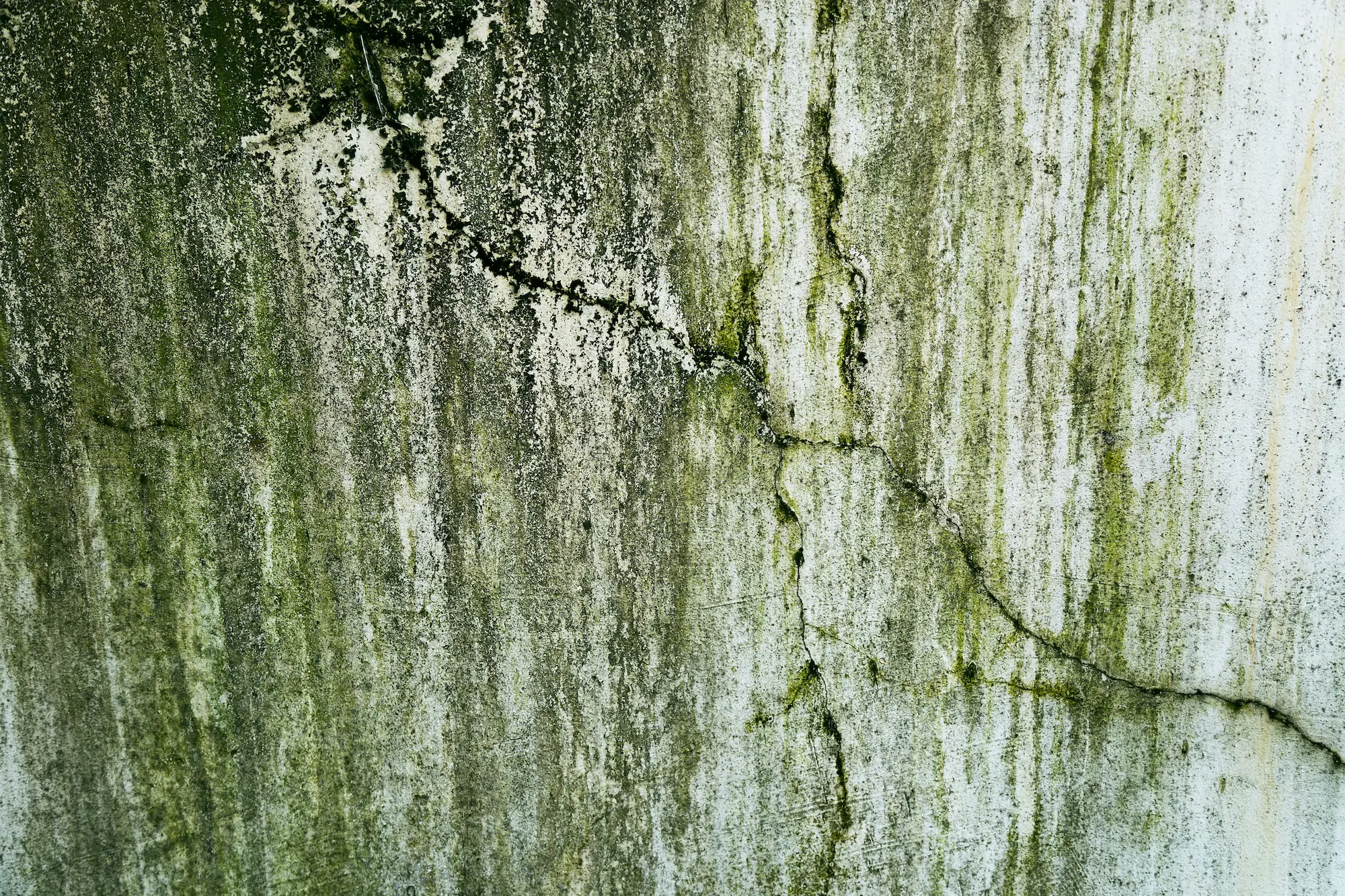
The most famous and aggressive form of secondary water damage is microbial growth. These spores only require three simple ingredients to colonize:
- a food source (like cotton, leather, or wood)
- a stagnant environment
- moisture
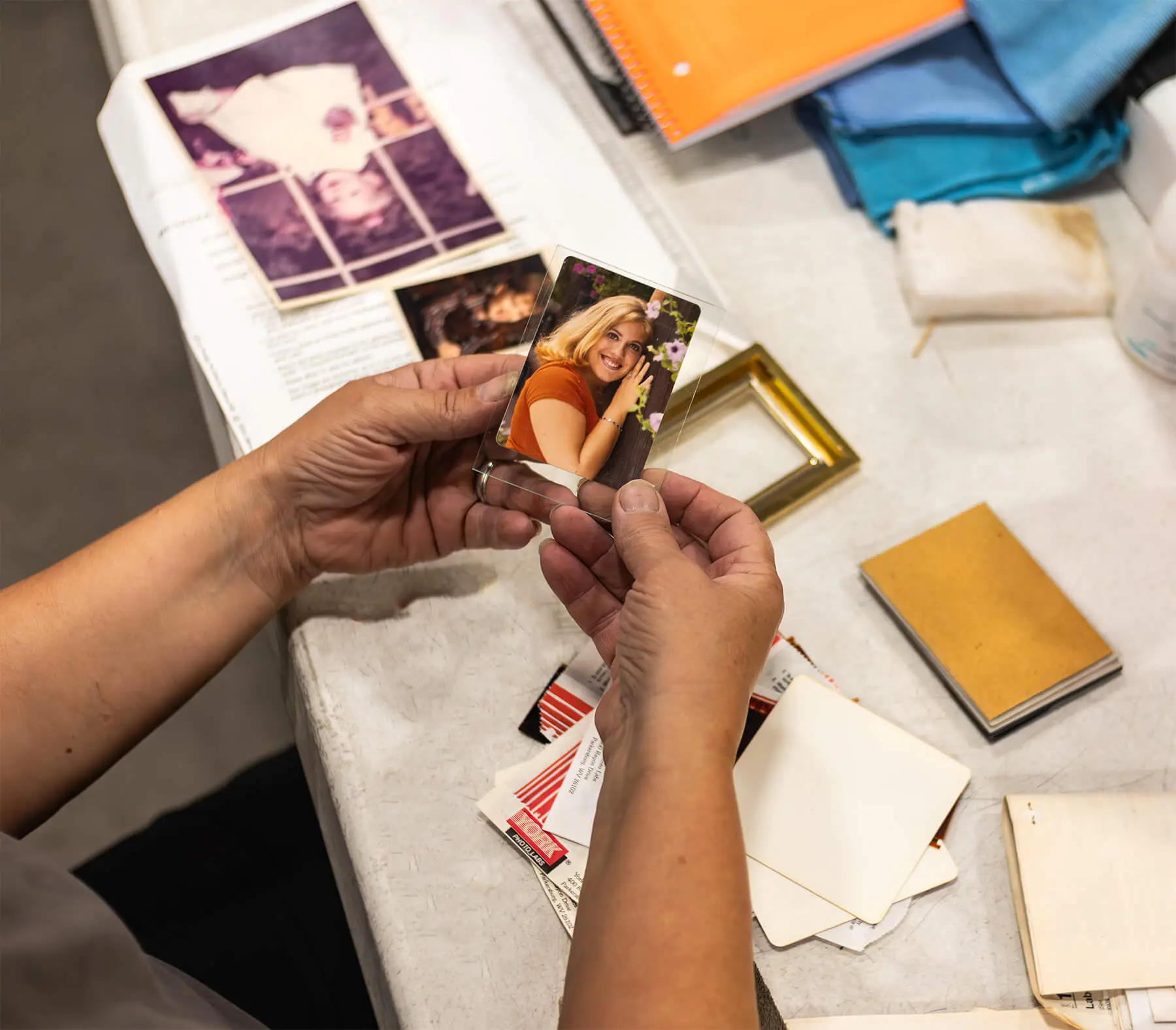
When a water intrusion occurs, the clock starts instantly for your furniture, clothing, and documents. Within 24 to 48 hours, dormant spores activate and begin feeding on your belongings. If items are left sitting in standing water or a high-humidity room, mold will quickly permanently stain fabrics, rot upholstery, and eat through irreplaceable family photo albums.
The Physics of Secondary Damage: Humidity and Structural Warping
Water damage doesn’t stay confined to the floor where it spilled. Through a process called capillary action, porous items like solid wood furniture, books, and area rugs wick water upward, pulling moisture deep into their core.
At the same time, standing water evaporates into the indoor air, causing the relative humidity inside the property to skyrocket. This airborne moisture creates secondary damage of its own, settling on completely separate items that were never touched by the initial flood. High humidity causes:
- Furniture Veneer Delamination: High-end furniture finishes and glues dissolve, causing the outer wood layers to peel and blister.
- Solid Wood Warping: Cabinetry, antiques, and wooden instruments twist out of shape as they saturate, destroying their value.
- Rust and Electronics Corrosion: High ambient humidity settles inside TV screens, computers, and appliances, causing internal circuitry to rust and short-circuit.
Why Insurers Watch the Mitigation Timeline
For property owners, the financial stakes of secondary content damage are incredibly high. Most standard property insurance policies feature a “duty to mitigate” clause. This means the policyholder is legally obligated to take reasonable, immediate steps to stop further damage from occurring to their personal property.
If an insurance adjuster inspects your contents and discovers extensive microbial growth or warped furniture that developed days after the initial leak, they may determine that the secondary damage was completely preventable. If the insurer attributes the loss to a delay in calling a restoration, they can legally deny coverage for those items, leaving you to pay for replacements out of pocket.
Conclusion
Water damage is a progressive disaster that doesn’t just threaten your drywall—it actively targets the items you love. What looks like a slightly damp piece of furniture today can easily evolve into a warped piece of trash by the end of the week. Time is your greatest enemy when protecting your personal property from a water intrusion, making proactive content mitigation an absolute necessity.
Preventing secondary water damage to your valuables requires rapid extraction and packing them away from the source of moisture. To learn more about protecting your assets following a water emergency, read our cornerstone guide on preventing secondary damage, and trust the experts at Content Recovery Specialists to keep your belongings dry and secure.